What will the new NPPF 2026 mean for development in Essex?
What will the new NPPF 2026 mean for development in Essex? You may have come across information concerning the new National Planning Policy Framework (NPPF)


When planning a home extension, converting a commercial property, or changing the use of an existing building, one area of confusion within the English planning system is understanding the difference between permitted development and prior approval. Many homeowners, developers, landlords, and property investors think the two terms mean the same thing. Whereas in reality, they are separate planning routes with different requirements, different levels of council involvement, and different legal implications.
Understanding whether a project can proceed under permitted development rights, whether a prior approval application is required, or whether full planning permission is required is essential before any development begins. Getting this wrong can result in delays, enforcement action, additional costs, or a project that can not be completed.
This guide explains the differences and similarities between permitted development and prior approval, how the prior approval process works, when prior approval is required, and the situations where a full planning application remains necessary.
We will also discuss common examples such as house extensions, additional storeys, agricultural building conversions, Class E commercial changes, and residential use developments to help property owners understand the right route for their proposed development.
Permitted development rights are rights granted by Parliament through the Town and Country Planning (General Permitted Development) (England) Order, which is also referred to as the General Permitted Development Order or GPDO. These rights allow certain types of development to take place without the need to submit a full planning application.
The purpose of permitted development rights is to simplify the planning system by allowing development that is considered acceptable without needing a full assessment by the local planning authority. This reduces administrative tasks required of both property owners and local councils while supporting economic growth, housing delivery, and the use of land and buildings.
Under general permitted development rights, many forms of operational development and changes of use can proceed without needing full planning permission, provided specific conditions and limitations are met. These rights cover a variety of projects, including extensions to a dwelling house, loft conversions, outbuildings, temporary use changes, agricultural development, telecommunications infrastructure, and certain commercial-to-residential conversions.
However, permitted development does not mean you can have unrestricted development. Every category has all the detailed criteria governing dimensions, appearance, location, use, and impact. If a proposal goes above those limitations, the project may require full planning permission.
The General Permitted Development Order contains certain classes of development, each with its own rules. Certain permitted development rights apply nationally, while others may be removed locally through Article 4 Directions or planning conditions imposed by the local authority.
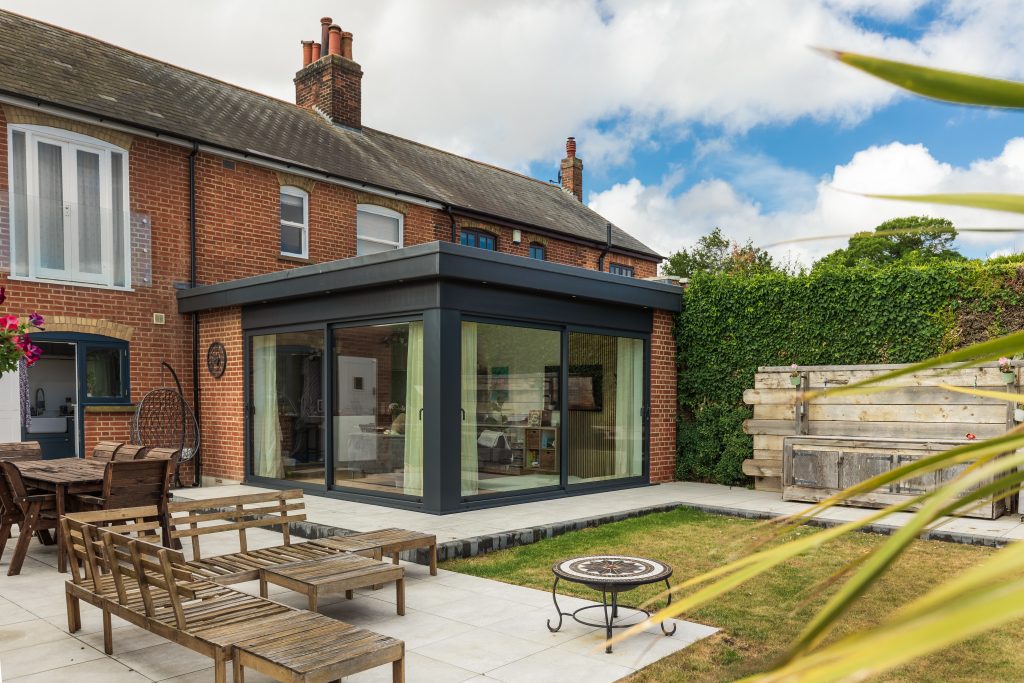
Prior approval is a separate process that sits within permitted development legislation. Although many people treat prior approval and permitted development as different planning routes, prior approval is actually a mechanism used to assess specific matters within certain permitted development rights.
In simple terms, permitted development establishes whether a type of development is acceptable in principle. Prior approval allows the local planning authority to review specific matters before development can proceed.
This means a development may benefit from permitted development rights but still require a prior approval application before work begins.
The prior approval process gives the local council the opportunity to assess defined planning matters rather than reconsider the principle of development itself. Unlike a full planning application, the council’s assessment is limited to specific matters identified within the relevant class of the General Permitted Development Order.
The government’s view is that some forms of development should proceed more quickly than through traditional planning permission, while still allowing local authorities to consider potential impacts on neighbouring properties and local amenity.
As a result, prior approval has become increasingly important as more specific permitted development rights have been introduced over recent years.
The concept of prior approval was established through the Town and Country Planning framework and expanded significantly through amendments to the General Permitted Development Order.
Currently, prior approval applies to a wide range of development categories, including:
The National Planning Policy Framework supports the government’s objective of making better use of existing buildings and previously vacant commercial land. As a result, prior approval has become a key part for delivering development while maintaining a level of planning oversight.
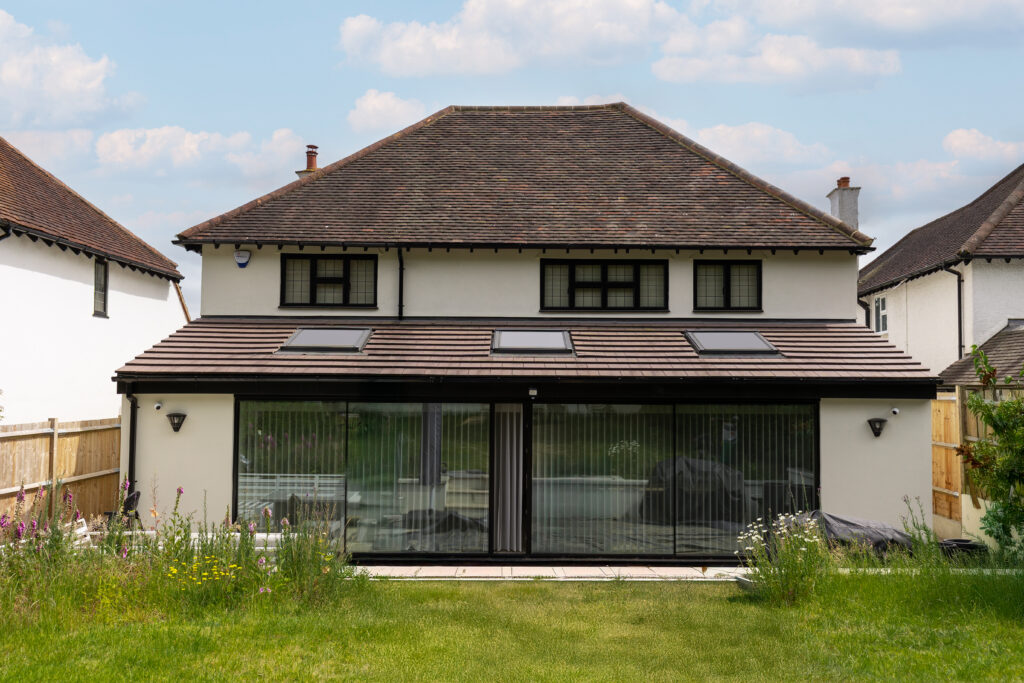
The simplest way to understand the difference is as follows:
As a general rule, permitted development rights determine whether a type of development is allowed without a full planning application.
Prior approval determines whether specific matters associated with that development are acceptable.
A small rear extension that falls entirely within permitted development limits may proceed without prior approval, whereas a larger rear extension may still benefit from permitted development rights but require a prior approval application due to neighbour consultation requirements.
Likewise, converting a Class E building into residential use may be permitted in principle, but prior approval is required to assess matters such as transport impacts, adequate natural light, flood risk, fire safety, and other specific matters.
Therefore, while both are broadly similar routes and sit within the wider planning system, they serve different functions.
The prior approval process is generally faster and more restrictive than a full planning application.
An approval application will require the submission of supporting information to the local planning authority. This often includes a written description of the proposed development, a site plan showing the location of the property, existing as well as any proposed floor plans, elevations, and any technical reports required by the relevant class.
The local council will review the submission and determine whether prior approval is required and, if so, whether approval should be granted. The determination period varies depending on the development type but is often 56 days.
Unlike a full planning application, the council cannot assess every planning matter. Instead, it must focus only on the specific issues identified within the relevant legislation.
If the council fails to approve or disapprove the application within the provided time period, approval may be deemed granted in some circumstances, allowing the development to proceed.
One of the most common examples of prior approval is for larger house extensions.
Many homeowners are surprised to learn that some extensions can be constructed under permitted development rights without planning permission, while others require prior approval.
A standard rear extension that complies with permitted development criteria can generally proceed without council involvement. However, larger single-storey rear extensions often fall into the neighbour consultation scheme.
Under this process, adjoining properties are notified by the local authority and given an opportunity to comment on the proposed project. If objections are received, the council assesses whether the impact on neighbouring properties is acceptable. This is still a prior approval process rather than a full planning application.
The assessment typically focuses on matters such as overshadowing, loss of light, and impact on adjoining properties over wider planning policy considerations.
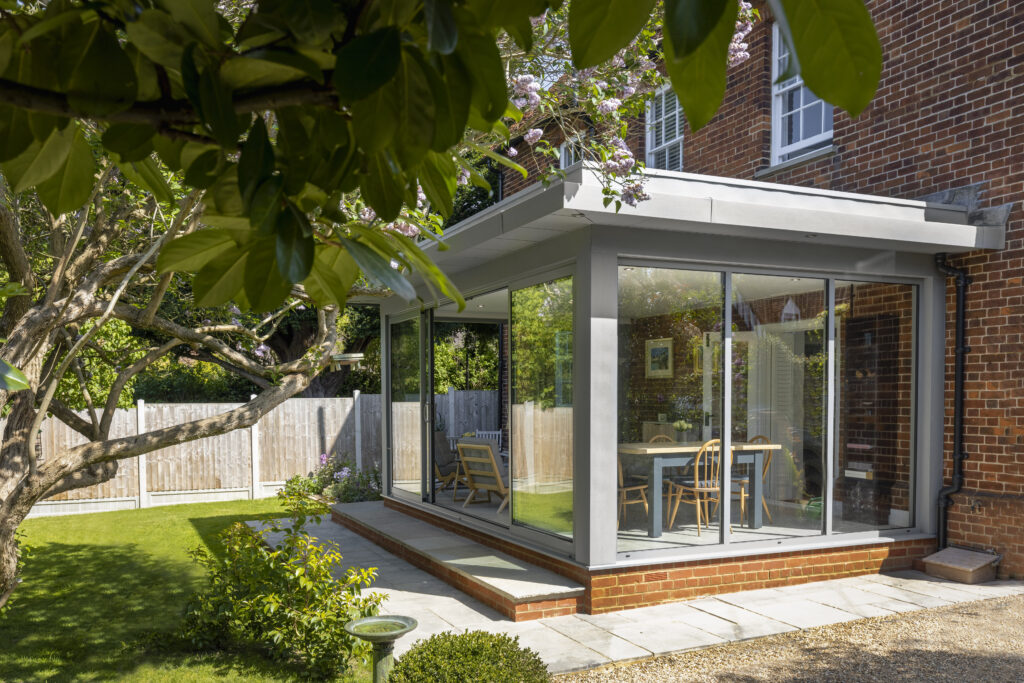
Recent planning reforms introduced specific permitted development rights allowing additional storeys to be added to certain buildings. These rights aim to increase housing supply by making better use of existing buildings. However, almost all upward extension schemes require prior approval.
The local planning authority may assess issues including:
The principle of development may already be established through permitted development rights, but the detailed impacts remain subject to council review.
One of the most important recent changes to planning legislation has been the expansion of permitted development rights for commercial-to-residential conversions. Class E properties include a mixed use of commercial uses, including offices, retail premises, gyms, medical facilities, and certain service businesses.
Many Class E buildings can now be converted to residential use through prior approval rather than a full planning application. This has simplified redevelopment opportunities for previously vacant commercial land and underused town centre buildings.
However, prior approval is required to assess several important matters. These often include transport impacts, contamination risks, flood risk, adequate natural light within habitable rooms, noise impacts, and the effects on local amenity.
The emphasis on adequate natural light reflects concerns about the quality of residential accommodation created through permitted development routes.
Councils can assess these issues, but cannot revisit the principle of residential conversion itself if the proposal complies with the relevant permitted development criteria.
Agricultural development rights have long existed within the planning system. Many agricultural units can undertake certain forms of development under permitted development rights. These include new agricultural buildings, operational developments, and changes associated with farming operations.
In addition, certain agricultural building conversions to residential use may proceed under specific permitted development rights. This means a prior approval application is normally required.
The council may assess matters including:
Agricultural conversion projects have become increasingly popular as farmers seek alternative income streams and opportunities to reuse existing buildings.
Flexible commercial use provisions allow certain changes between commercial uses without requiring full planning permission. These flexible use rights support business adaptability and help reduce vacant premises. Some changes may proceed through only permitted development rights, while others require prior approval.
The exact requirements depend on the use class involved, the nature of the proposed development, and the specific class within the General Permitted Development Order.
Understanding whether a flexible commercial use change requires prior approval is critical before implementing any change of use.
Despite the wide scope of permitted development rights, many projects still require a full planning application.
Common examples include development that exceeds permitted development limits, proposals within conservation areas, works affecting a listed building, development contrary to local restrictions, and projects where permitted development rights have previously been removed.
Full planning permission may also be necessary where the proposal falls outside specific permitted development rights altogether.
Unlike prior approval, a full planning application allows the local planning authority to consider all planning matters. This includes design, character, planning policy compliance, neighbour impacts, sustainability, highways, ecology, and various other factors. The process is generally more in-depth and often takes longer than a prior approval application.
Property owners should proceed with particular caution when working within conservation areas or on listed buildings. Many permitted development rights are restricted or removed in conservation areas. Similarly, listed building consent may be required regardless of whether permitted development rights exist.
The historic interest of a building often attracts additional restrictions designed to preserve architectural significance and any heritage value. Prior approval should never be assumed to override listed building requirements.
Professional advice is strongly recommended before proceeding with any development affecting protected heritage properties.
Even where planning permission is not required, many property owners seek a Lawful Development Certificate. This provides formal confirmation from the local authority that a proposal benefits from permitted development rights.
This can provide a level of valuable certainty before construction begins and is often requested by future purchasers, solicitors, lenders, and mortgage providers during the selling process.
For larger projects, obtaining a lawful development certificate is considered best practice. Although not legally required in every case, it can help avoid future disputes regarding the status of the development.
Some developments proceeding under permitted development rights may still trigger Community Infrastructure Levy liabilities. Many property owners mistakenly assume that because planning permission is not required, no financial contributions apply.
However, Community Infrastructure Levy regulations can apply to certain permitted development schemes, particularly residential conversions and larger developments. The rules vary between local authorities and should be considered at an early stage. Failure to submit any required notices can sometimes result in the loss of available exemptions.
While prior approval applications are generally more focused than full planning applications, refusal can still happen.
Common reasons include inadequate natural light within proposed habitable rooms, unacceptable transport impacts, insufficient supporting information, flood risk concerns, poor design responses, fire safety issues, or unacceptable impacts on neighbouring amenity.
The quality of supporting information is often critical. A well-prepared approval application that addresses all relevant matters usually stands a much better chance of success. This highlights the importance of professional services when pursuing development under permitted development rights.
A successful prior approval application requires careful preparation.
The submission should clearly outline compliance with the relevant class of the General Permitted Development Order while addressing every matter that the local planning authority is entitled to assess.
Typical submission requirements may include a site plan showing the location of the development, floor plans, elevations, a written description, transport statements, flood risk information, daylight assessments, fire safety documentation, and other supporting information, depending on the proposal.
Although prior approval is often seen as a simpler planning route, incomplete applications can still result in delays or refusal. Therefore, professional guidance can significantly improve the quality and efficiency of the whole process.
Over the past decade, the government has expanded permitted development rights considerably. This reflects national policy objectives aimed at increasing housing delivery, promoting economic growth, supporting town centre regeneration, and encouraging the reuse of existing buildings.
As a result, prior approval has become an increasingly important part of the planning system. Many projects that would once have required full planning permission can now proceed through a more simplified process.
That being said, navigating the various classes, conditions, exceptions, and technical requirements remains rather complex. Understanding the difference between permitted development and prior approval is therefore essential for anyone considering development.
The distinction between permitted development and prior approval is one of the most important concepts within modern planning legislation. Permitted development rights establish whether development is allowed without a full planning application, whereas prior approval provides information for local authorities to assess specific matters before development proceeds.
Whether you are planning a house extension, converting a Class E property into residential use, developing an agricultural unit, adding additional storeys, or exploring commercial use opportunities, understanding which route applies is important.
While permitted development can save time and money compared to full planning permission, many projects still require a prior approval application and careful preparation to secure approval.
Because planning legislation continues to evolve and specific permitted development rights contain numerous conditions, limitations, and exceptions, seeking professional advice early in the process can prevent costly mistakes and future delays.
At MP Chartered Architects, we work with a planning consultant to provide expert guidance on permitted development rights, prior approval applications, lawful development certificates, planning permission, and architectural design across the country.
Our experienced team understands the confusion of the Town and Country Planning system and can advise on the most appropriate route for your proposed development.
Whether you are extending a house, converting an existing building, a change of use project, or exploring development opportunities on commercial or agricultural sites, we can help navigate the planning process and maximise the chances of success.
From initial feasibility studies through to detailed design, planning submissions, and project delivery, Contact MP Chartered Architects. We offer professional services needed to move your project forward with confidence.
What will the new NPPF 2026 mean for development in Essex? You may have come across information concerning the new National Planning Policy Framework (NPPF)

Architects for extensions help homeowners design a house extension that adds extra space and suits modern living without turning a bright south-facing room into an
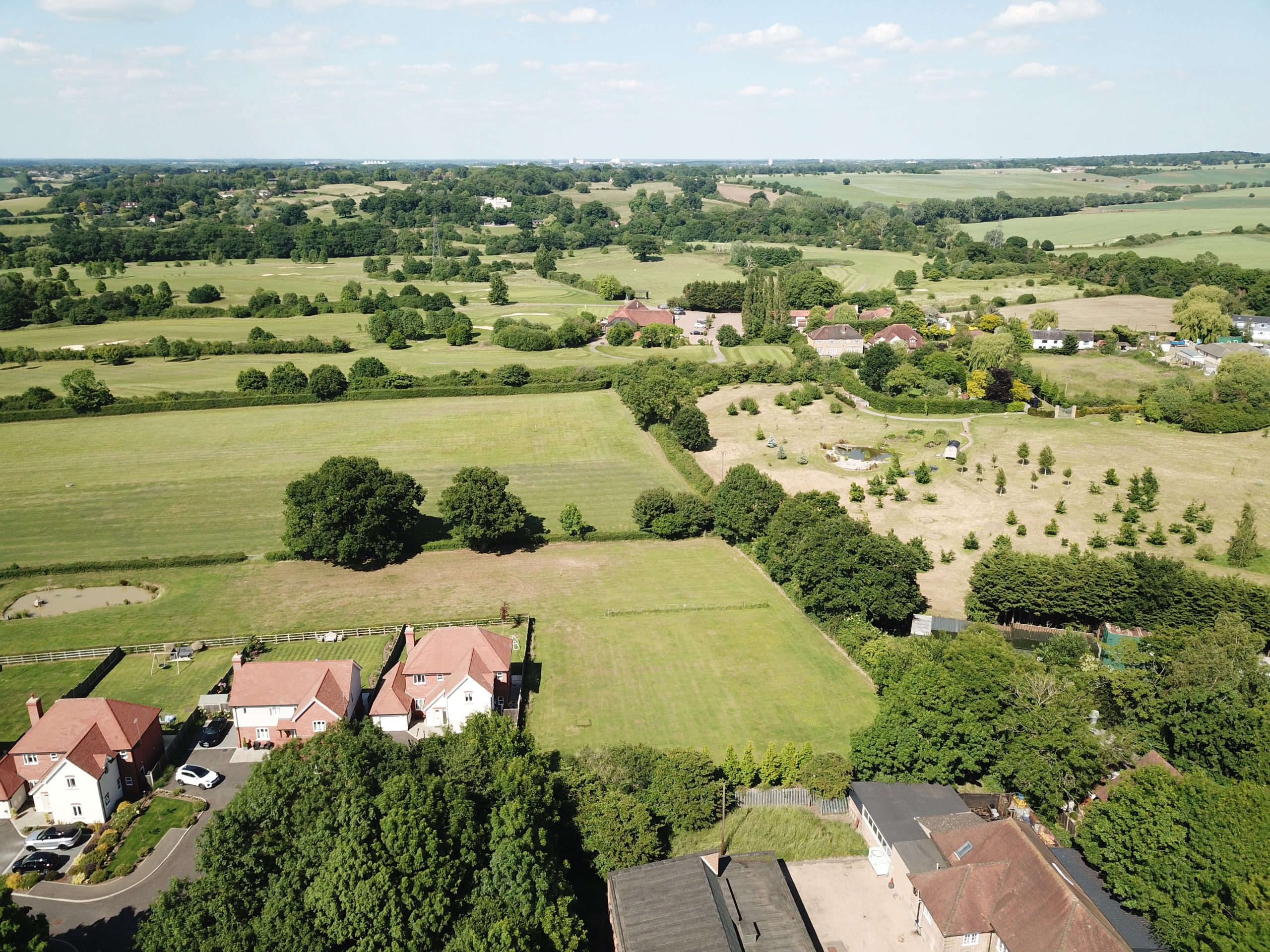
Green Belt land plays an important role in the planning system in England, helping to control how towns and cities expand and where new development