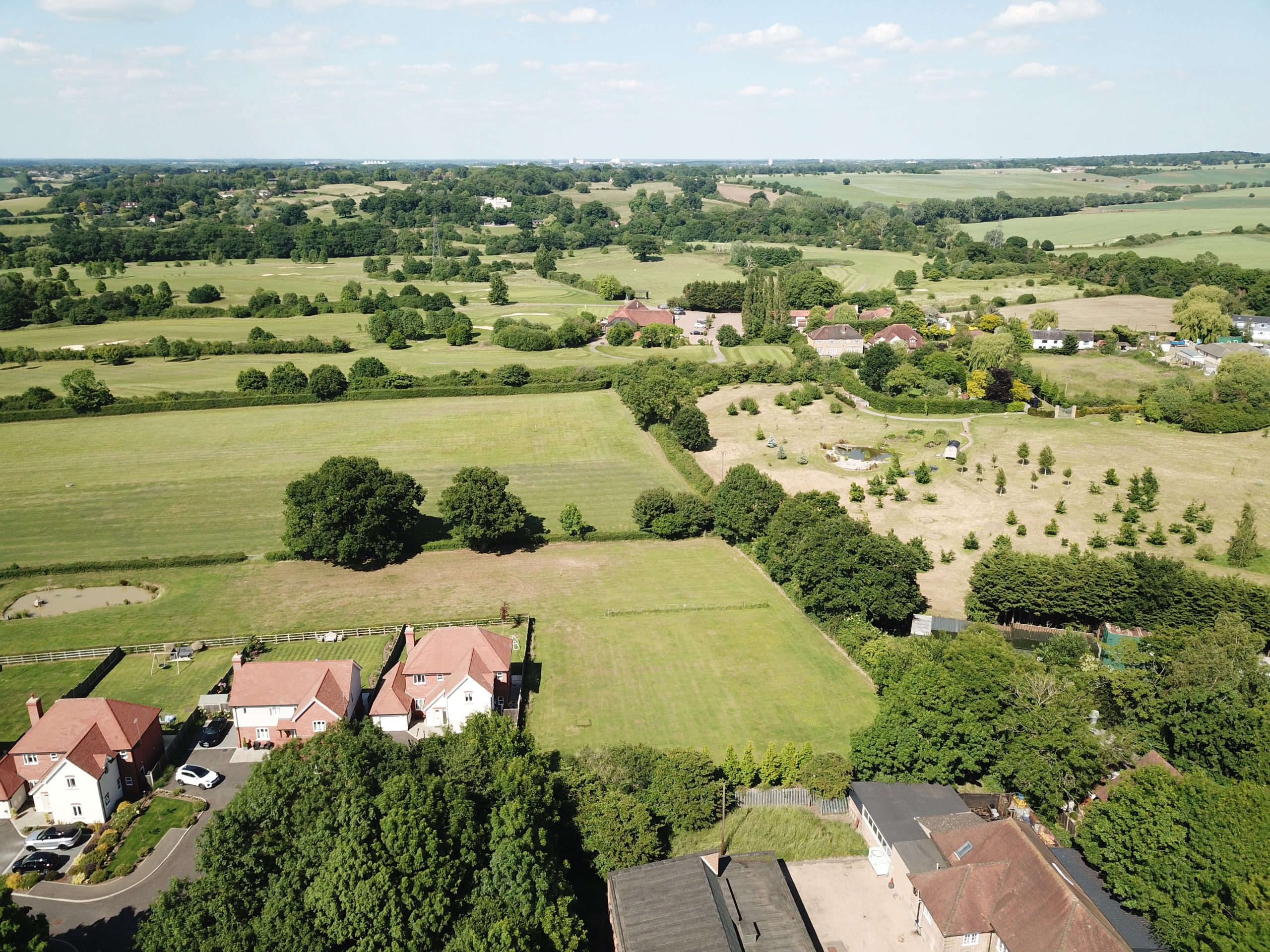
With temperatures rising and heatwaves becoming more common, are our homes really equipped to cope with a changing climate?
Our Senior Architect, Dandi Passerini, recently joined BBC Radio Essex to discuss how climate change is affecting residential design and what can be done to create homes that are comfortable in both winter and summer.
During the interview, Dandi highlighted the challenge facing many traditional UK homes, which have historically been designed primarily to retain heat during colder weather. As periods of intense heat become more common, homes also need to be designed to prevent overheating.
Preparing new homes for hotter temperatures
Dandi discussed the Future Homes Standard, which is due to come into force in March 2027. The new standard aims to improve the energy efficiency of new homes, with requirements around insulation, ventilation, low-carbon technologies and renewable energy.
These changes will help reduce energy use and bills, while also helping new homes respond better to changing weather conditions.
But designing for a changing climate isn’t simply about keeping homes warm and well insulated.
The orientation and size of windows, for example, can make a significant difference to how much solar heat enters a home. An experienced architect can consider these factors from the very beginning of a project, helping to future-proof a home’s design against overheating.
What can you do to keep an existing home cool?
For those living in existing properties, Dandi shared several practical ways to reduce overheating.
Shading is one of the most effective measures. Canopies, roof overhangs, external shutters and other forms of shading can help prevent direct sunlight from reaching the glass in the first place, reducing the amount of heat entering the home.
Ventilation is also important, but timing matters. Rather than opening windows when the outside air is at its hottest, Dandi recommends ventilating during cooler periods, such as early in the morning or at night. Opening windows on different sides of a property can also create cross ventilation, helping to remove hot air from inside.
For homeowners planning renovations, improving insulation and upgrading windows to double or triple glazing can also help improve the home’s overall thermal performance.
Looking ahead
With hotter summers becoming a growing consideration, climate-conscious design is becoming an increasingly important part of residential architecture.
At MP Chartered Architects, we believe good design should consider not just how a home looks and functions today, but how it will perform in the years ahead.
From window orientation and shading to ventilation, insulation and energy efficiency, there are many ways architectural design can help create homes that are better prepared for a changing climate.
📻 Thank you to BBC Radio Essex for inviting Dandi to share her expertise.