What will the new NPPF 2026 mean for development in Essex?
You may have come across information concerning the new National Planning Policy Framework (NPPF) if you already own a house, some land or a site which may be developed in Essex.
The August 2026 edition of the NPPF introduced changes to national planning policy in England, placing a strong emphasis on building more homes, making better use of land and establishing a planning system that is more consistent and predictable.
So what does that actually mean when you are planning to extend your home, build a new house or develop land in Essex?
What is the NPPF?
The National Planning Policy Framework, which is commonly referred to as the NPPF, sets out the government’s planning policies for England and offers a national framework that is used by local planning authorities when drawing up their local plans and when making decisions on planning applications.
The most recent NPPF aims to make the planning system clearer, and make it more based on rules, while at the same time helping to increase the supply of housing and supporting economic growth.
This could affect the way in which future planning applications are assessed for homeowners and developers.
What is it about the NPPF that makes it important in Essex?
The planning landscape in Essex is especially difficult.
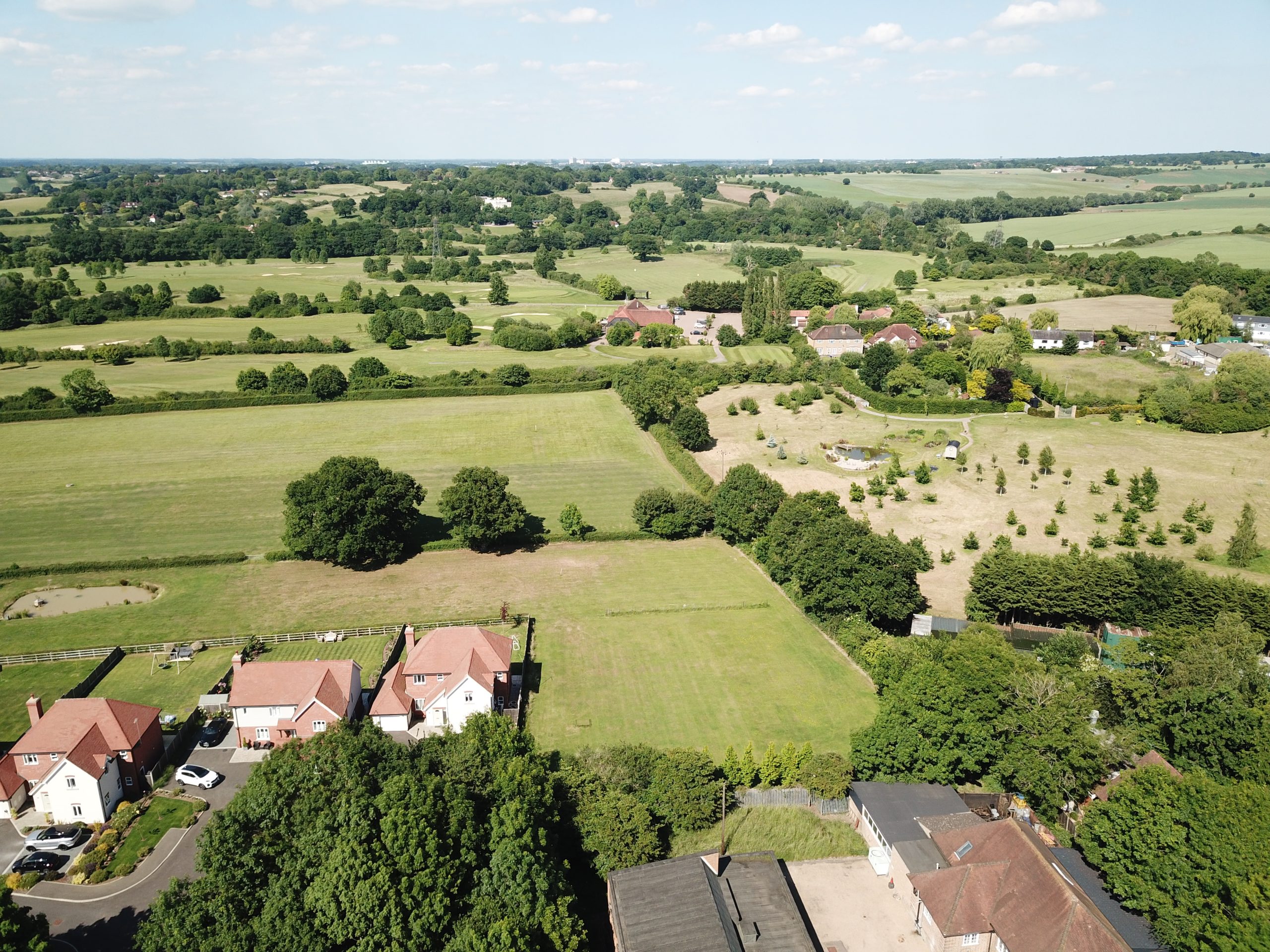
Housing must be provided in greater amounts, but the county also includes extensive Green Belt areas, valuable rural land, villages with a particular character, and regions where the infrastructure and transport have to be carefully considered.
Essex County Council has also said that it is carrying out a strategic review of the Green Belt in order that it may assist with future planning and development in the county; there thus continues to be a balance between supplying new homes and preserving the areas which make Essex what it is.
The new NPPF fits into that broader context.
Will the new NPPF mean that it will be easier to obtain planning permission?
Not necessarily.
The aim of the changes is to give the planning system more clarity and to enable appropriate development to proceed, but it does not mean that every planning application will be approved.
The place, the design and the circumstances surrounding a proposed development will still be important.
Local planning policies will continue to play an important role, alongside considerations such as:
- The character of the surrounding area
- Access and transport
- Local infrastructure
- Flood risk
- Ecology and biodiversity
- Heritage and conservation
- The Green Belt
- The scale and design of the proposed development
Even though the planning system is undergoing change, proper planning and good design are still important.
What does the NPPF mean for building on Green Belt land in Essex?
Essex landowners and developers are likely to find this one of the most interesting areas.
The government has placed more emphasis on making available land suitable for development, including a particular focus on brownfield land and the proper release of land in cases where development requirements cannot be met elsewhere.
The aim of the new planning framework is also to establish more clear national policies as to where development should take place.
The fact that a site is in the Green Belt doesn’t mean that it will have the same planning prospects – just as being outside the Green Belt doesn’t automatically imply that development will be acceptable.
Each site must be evaluated in view of its own particular circumstances.
For anyone who is thinking of carrying out Green Belt development in Essex, it is advisable to obtain professional planning and architectural advice as early as possible so that they can work out what may realistically be achieved before a large amount of money is invested in detailed plans.
What if you have land in Essex?
If you own a big garden, some unused land, an old building or another piece of land which you consider to have development potential, you should consider looking into the changes to national planning policy.
But before jumping straight into a planning application, there are some important questions to answer:
Might the land be put into development?
What kind of development might be appropriate?
How many houses could in principle be constructed?
Is the site subject to any planning restrictions?
Would the development be suitable for its surroundings?
What are the possible risks and costs?
A feasibility study can show the answers to these questions before you decide on detailed architectural drawings or make a full planning application.
Is the development of brownfield sites becoming more important?
Yes.
A major priority for the government when it comes to planning is to make more effective use of land that has already been developed or land which is of a brownfield type, especially in cases where the locations are appropriate.
It might provide opportunities for land which has already been developed or has been used before, though it will still be necessary to assess its suitability on a case-by-case basis.
For landowners and developers in Essex, it therefore makes sense to consider areas other than the most obvious ones for development.
An old commercial building, or land which had previously been developed or a site that was underused, might still have potential for a purpose beyond its present use.
So what does it mean for people who own their homes?
The NPPF matters for more than just big housing projects.
If you are carrying out an extension, a loft conversion, building a new house or some other major modification, national planning policy is included in the general planning framework against the background of which your application will be assessed.
The fact is that the NPPF won’t decide the result of your application by itself; your local council’s planning policies and the particular circumstances of your property will also count.
That is the reason why it is possible to save both time and money as well as avoid disappointment later on if you understand the planning context before you begin designing.
What are you supposed to do if you are thinking about developing in Essex?
The planning system is still changing, but the fundamental principle does not change; you should work out what is possible before making a heavy investment in a project.
If you are thinking of buying a new house, investing in a residential development or of making more effective use of land which you already own, it is helpful to obtain advice as early as possible in order to get a clear understanding of the opportunities and limitations.
At MP Chartered Architects, we carry out work all over Essex, including on individual houses and extensions as well as on new-build houses and bigger residential developments.
The approach begins with a thorough understanding of the site, the planning context and the aims you have.
It’s worthwhile knowing whether the idea has a realistic chance of obtaining planning permission before you begin drawing up plans.
Are you considering developing land in Essex?
If you have a site that might be developed, a large garden or some land which you would like to look at, then get in contact with MP Chartered Architects to find out what could be done.