What will the new NPPF 2026 mean for development in Essex?
What will the new NPPF 2026 mean for development in Essex? You may have come across information concerning the new National Planning Policy Framework (NPPF)


A double-storey extension is one of the most effective ways to transform an existing house without the financial strain of moving house. For many homeowners, adding extra space through an extension offers a far more practical solution than trying to upsize in a competitive property market. When the costs of stamp duty, removals, mortgage arrangement fees, solicitors, and estate agent fee charges are all added together, extending an existing property can often turn out to be much better value for money, while also allowing families to remain in the area they are already settled in.
At the same time, planning a double-storey extension project involves far more than simply adding extra square metres to a property. Homeowners need to understand planning permission, building regulations, structural requirements, neighbour considerations, timelines, and realistic budgets before construction work begins. Design decisions also play a major role in determining whether an extension will improve the functionality of a home or simply create additional space that does not work particularly well.
This guide explains everything homeowners should know before planning a double-storey extension, including where two-storey extensions can be added, how planning rules apply, the typical costs involved, and the professional services required to deliver a successful project. It also explores popular design ideas and the key considerations.
The popularity of double-storey extensions has increased significantly over the last decade as homeowners look for smarter ways to create additional living space without sacrificing too much outdoor area. Unlike a large single-storey extension that can take over a substantial portion of the garden, building across two levels allows homeowners to maximise usable floor area while preserving valuable external space.
This is especially important in urban locations and for terraced house properties where garden space may already be limited. A large double-storey extension can provide a large open-plan kitchen, dining, and family area downstairs, while also creating extra bedrooms, bathrooms, or a home office upstairs. In practical terms, this often provides a lifestyle upgrade rather than simply adding another room to the ground floor of the property.
There is also a financial argument for extending rather than relocating. The cost per square metre for a double-storey side extension is usually lower than a comparable single-storey project because the foundations and roof structure effectively serve two floors instead of one. Current estimates suggest that a two-storey extension costs between £1,900 and £3,500 per square metre, depending on specification, complexity, and location, with central London and the South East often slightly more expensive.
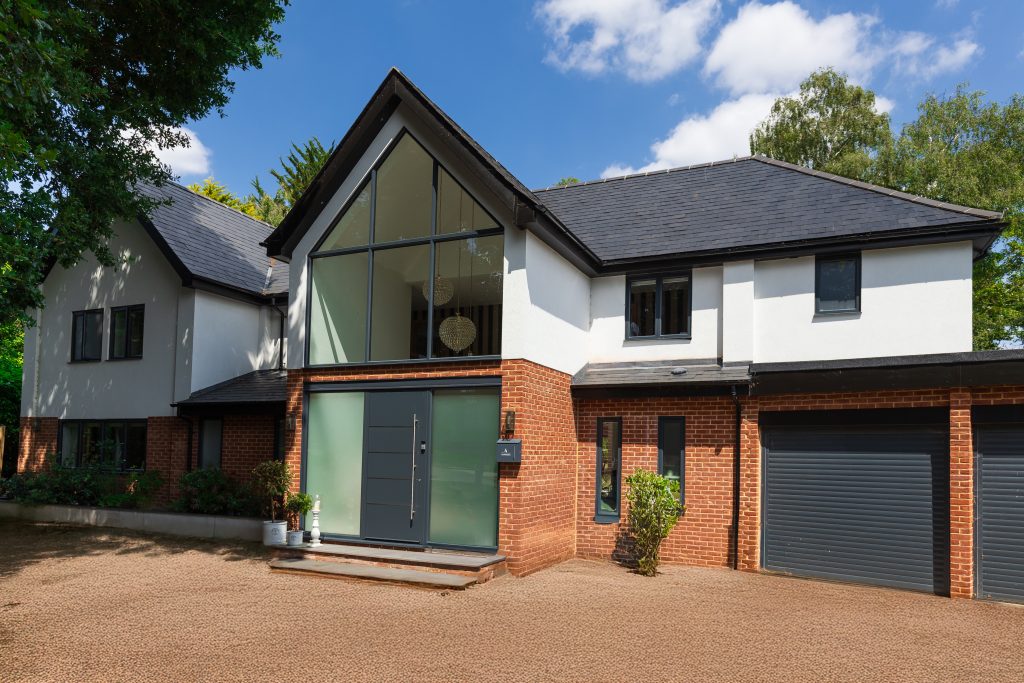
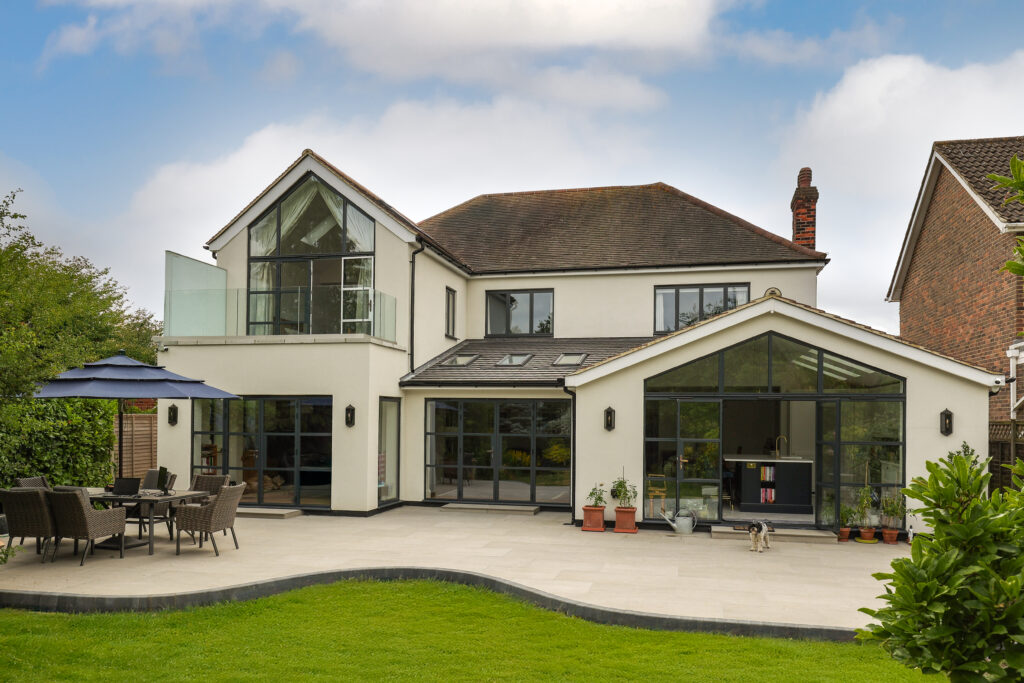
The design and positioning of a double-storey extension will depend on the layout of the existing house, the available plot size, and local planning constraints. Two-storey rear extensions remain the most common option because they typically have less impact on the street scene and can create drastic improvements to the downstairs living space. A rear extension can open up tighter layouts, improve natural light, and create a much stronger visual connection between the home and garden.
Many homeowners use rear extensions to introduce large kitchen-dining areas with sliding or bifold doors opening onto the outdoor space. Upstairs, the additional floor area can transform into an extra bedroom space, a family bathroom, or a dedicated office space.
Side extensions are another popular option, especially on detached and semi-detached houses with sufficient side access. However, two-storey side extension rules are generally stricter than those applying to rear extensions. Planning authorities usually require the extension to appear visually subordinate to the existing building, which often means setting the extension slightly back from the front wall and ensuring the roof ridge sits lower than the existing roofline.
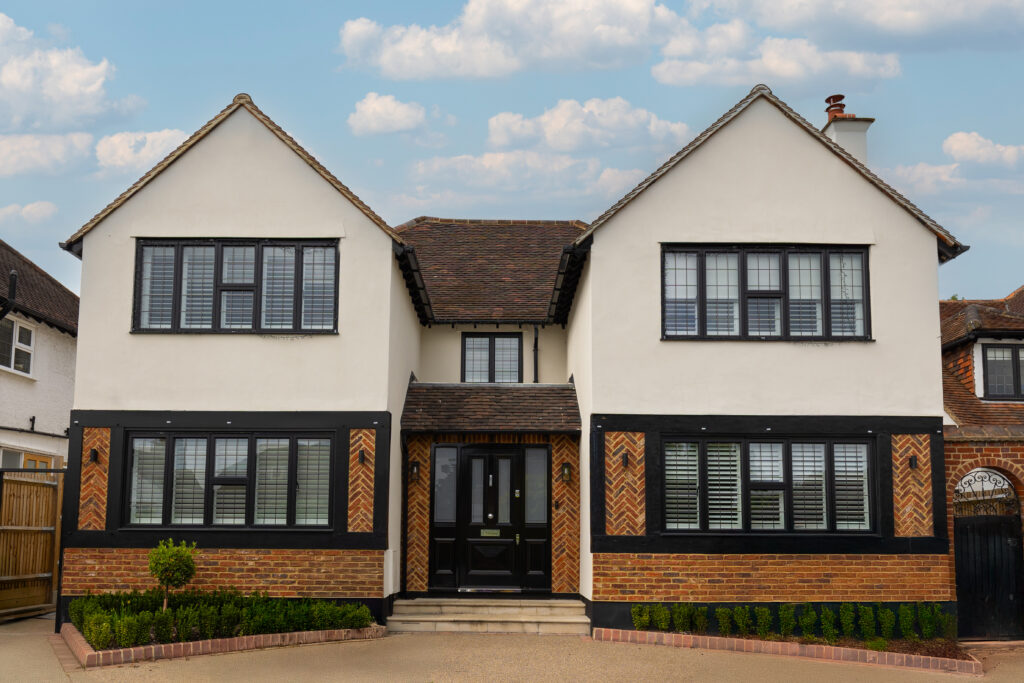
Roof pitch is an important consideration in these situations because the extension should complement the architectural style of the existing house rather than appearing disconnected or dominant. Matching materials, window proportions, and roof detailing all contribute to a cohesive appearance and can improve the chances of planning approval.
For Victorian and Edwardian properties, wraparound extensions combining both rear and side additions have become increasingly popular. These can dramatically improve narrow terraced house layouts by creating expansive ground-floor living areas while adjusting awkward upstairs room arrangements. Although these projects can deliver exceptional results, they are often structurally more complex and almost always require full planning permission.
Obtaining planning permission is one of the most important aspects of any double-storey extension project. While some forms of development can be completed under permitted development rights, two-storey additions are subject to harsher restrictions than single-storey projects.
Under current permitted development rules, a double-storey rear extension cannot pass more than three metres beyond the rear wall of the original house and must remain at least seven metres from the rear boundary. This “seven metres” requirement is particularly significant for homeowners with smaller gardens because it can limit the scale of development possible without a formal planning application.
Permitted development rights also require materials to match the appearance of the existing house as closely as possible. Side-facing windows on upper floors generally need obscure glazing to prevent overlooking, and balconies or raised platforms are usually prohibited.
Many double-storey extension projects still require full planning permission, particularly side extensions and larger rear additions. Properties located within conservation areas or ‘Areas of Outstanding Natural Beauty’ often face additional restrictions, while listed buildings require separate listed building consent.
Local councils assess a range of factors during the planning process, including visual impact, overshadowing, overlooking, neighbour amenity, parking arrangements, and the overall scale of the extension when compared to the original property. A poorly considered design can quickly lead to objections or refusal, particularly if neighbouring homes lose light or privacy.
This is one reason why early architectural input is so helpful. An experienced architect understands local planning policies and can shape the design around likely concerns before the application is submitted. Careful positioning of windows, roof forms, and massing can often make the difference between approval and rejection.
Regardless of whether planning permission is required, all house extensions must comply with building regulations. These regulations ensure the structure is safe, energy efficient, and suitable for long-term occupation.
Current building regulations cover structural stability, insulation, ventilation, drainage, fire safety, staircase design, sound resistance, and electrical installations. Structural calculations are required from an engineer to confirm that beams, floor joists, and foundations are capable of supporting the additional weight created by the extension.
For older properties, foundation investigations are often necessary before work begins. Existing structures may not always be suitable for additional floors without further reinforcement, particularly if the original property was built before modern structural standards were implemented.
Energy efficiency standards have also become increasingly important in recent years. Modern extensions are required to meet stringent insulation targets, which often result in better thermal performance than the original house itself. This can improve comfort levels throughout the property while also reducing long-term heating costs.
During construction, building control officers inspect the project at various stages, including foundations, drainage, insulation installation, and structural works. Final approval is only issued once the extension fully complies with regulations.
The best double-storey extensions are not simply larger versions of the existing house. Instead, they rethink how the property functions as a whole. Good design focuses on circulation, natural light, proportions, and the relationship between internal and external spaces.
Open plan kitchen and living areas continue to dominate extension trends because they create more space and a sociable environment for family life. However, homeowners are increasingly seeking layouts that balance openness with flexibility. Dedicated study areas, quieter sitting rooms, and utility spaces have become far more important since remote and hybrid working patterns became more popular.
Natural light is another great feature of a successful extension design. Rooflights, carefully positioned glazing, and large openings can transform dark interiors into bright and welcoming spaces. Even relatively modest extensions can feel dramatically larger if daylight is introduced effectively.
Preserving garden space also remains an important design priority. Overdevelopment is a common mistake, particularly when homeowners focus solely on maximising floor area. Outdoor space remains highly valuable from both a lifestyle and resale perspective, and planning officers often assess whether sufficient private amenity space remains after construction.
The relationship between the residential extension and the existing house is equally important. A successful project should feel integrated. Matching proportions, roof pitch, materials, and detailing all lead to a more cohesive final appearance.
Build cost is naturally one of the first questions homeowners ask when considering a double-storey extension. While exact figures vary significantly depending on specification and location, realistic budgeting is essential.
The overall estimated cost of a double-storey extension depends on factors including size, complexity, specification, potential access, and structural requirements. A straightforward project in a regional location may sit on the lower end of the pricing range, while a bespoke extension in London with high-end finishes can cost considerably more.
Professional fees also need to be factored into the budget. Many homeowners focus solely on labour costs and underestimate the wider expenses involved in delivering the project properly. Architect cost is one of the most commonly researched topics because homeowners want to understand whether professional design services justify the additional expenditure. There can also be legal fees to consider in some cases.
Experienced architects often save money over the course of a project by avoiding planning issues, improving build efficiency, and preventing mistakes during construction. Their role extends beyond producing drawings. Architects usually oversee concept development, planning applications, technical detailing, coordination with structural engineers, contractor tendering, and elements of project management.
Architect fees are commonly calculated as a percentage of the total construction cost, usually ranging between 7% and 15%, depending on the level of service provided. Additional professional costs may include structural engineering fees, planning application fees, party wall surveyor charges, and building control costs.
Interior finishes can also impact the budget. Kitchens, bathrooms, bespoke joinery, underfloor heating, and glazing systems often account for a significant proportion of the overall spend. Homeowners should also retain a contingency fund because unforeseen issues frequently arise during renovation and extension work, particularly in older buildings.
Neighbour considerations are an important part of any extension project, particularly for terraced houses and semi-detached properties. If construction affects a shared wall or takes place close to neighbouring foundations, the Party Wall etc. Act 1996 may apply.
A party wall agreement is intended to protect both property owners by documenting the proposed works and their potential impact. Surveyors may need to prepare a Schedule of Condition and agree on how the works will proceed.
Although some homeowners view the process as unnecessary, managing neighbour relationships properly can prevent serious disputes later in the project. Early communication is usually beneficial, especially where construction may temporarily affect access, light, or privacy.
Overshadowing and overlooking are particularly common concerns with double-storey extensions because the additional height can alter the relationship between neighbouring properties. Sensitive design and careful window placement are therefore important.
A double-storey extension is a substantial construction project, and homeowners should prepare for a process that often lasts many months from initial concept to completion.
The design and planning stages alone can take several months, depending on the complexity of the proposal and the responsiveness of the local authority. Once required planning permission is secured and technical drawings are complete, homeowners then need to appoint contractors and finalise costs before work can begin on site.
Construction programmes vary significantly, but most double-storey extension projects take between four and eight months to complete. Larger or more complex schemes can take considerably longer, especially where structural alterations to the existing house are extensive.
Good project management is critical throughout this process. Coordinating contractors, monitoring budgets, scheduling inspections, and resolving on-site issues all require experience and organisation. Some homeowners take an active role themselves, while others prefer architects or dedicated project managers to oversee delivery.
Living in the property during construction is possible in some cases, but disruption should not be underestimated. Noise, dust, temporary utility interruptions, and restricted access are all common during major extension works.
For many households, the decision between extending and moving house ultimately comes down to finances, lifestyle, and long-term plans. In high-value property areas, extending often represents significantly better value than buying a larger home nearby. If a master bedroom or a bathroom upstairs is that is required, this is often possible with a new extension. Once moving costs, stamp duty, legal expenses, and estate agent fees are considered, remaining in the current property can be more financially sensible.
If additional space is not required on either the ground or first floor, a loft conversion is another consideration.
Extensions also allow homeowners to tailor the property precisely to their needs rather than compromising on another house that may still require renovation or alteration. This level of personalisation can greatly improve the quality of life and create a home that functions far better for modern living.
However, successful extensions require careful planning, realistic budgeting, and experienced professional guidance. Poorly designed projects can become stressful, expensive, and disappointing if important considerations are overlooked early in the process. It is important to consider how much value will be added before committing.
Planning a double-storey extension is a major investment, and the quality of the design and professional guidance you receive can make a significant difference to the final result. At MP Chartered Architects, homeowners benefit from expert architectural knowledge, thoughtful design solutions, and professional support throughout every stage of the project.
From initial feasibility studies and planning applications through to technical design and project coordination, the team understands how to create extensions that enhance both the appearance and functionality of a home while remaining practical, buildable, and cost-effective.
Whether you are considering a rear extension, navigating two-storey side extension rules, or trying to understand architectural costs and planning permission requirements, working with experienced architects can help ensure your project runs smoothly and delivers long-term value.
Contact MP Chartered Architects today for help with your double-storey extension project.
What will the new NPPF 2026 mean for development in Essex? You may have come across information concerning the new National Planning Policy Framework (NPPF)

Architects for extensions help homeowners design a house extension that adds extra space and suits modern living without turning a bright south-facing room into an
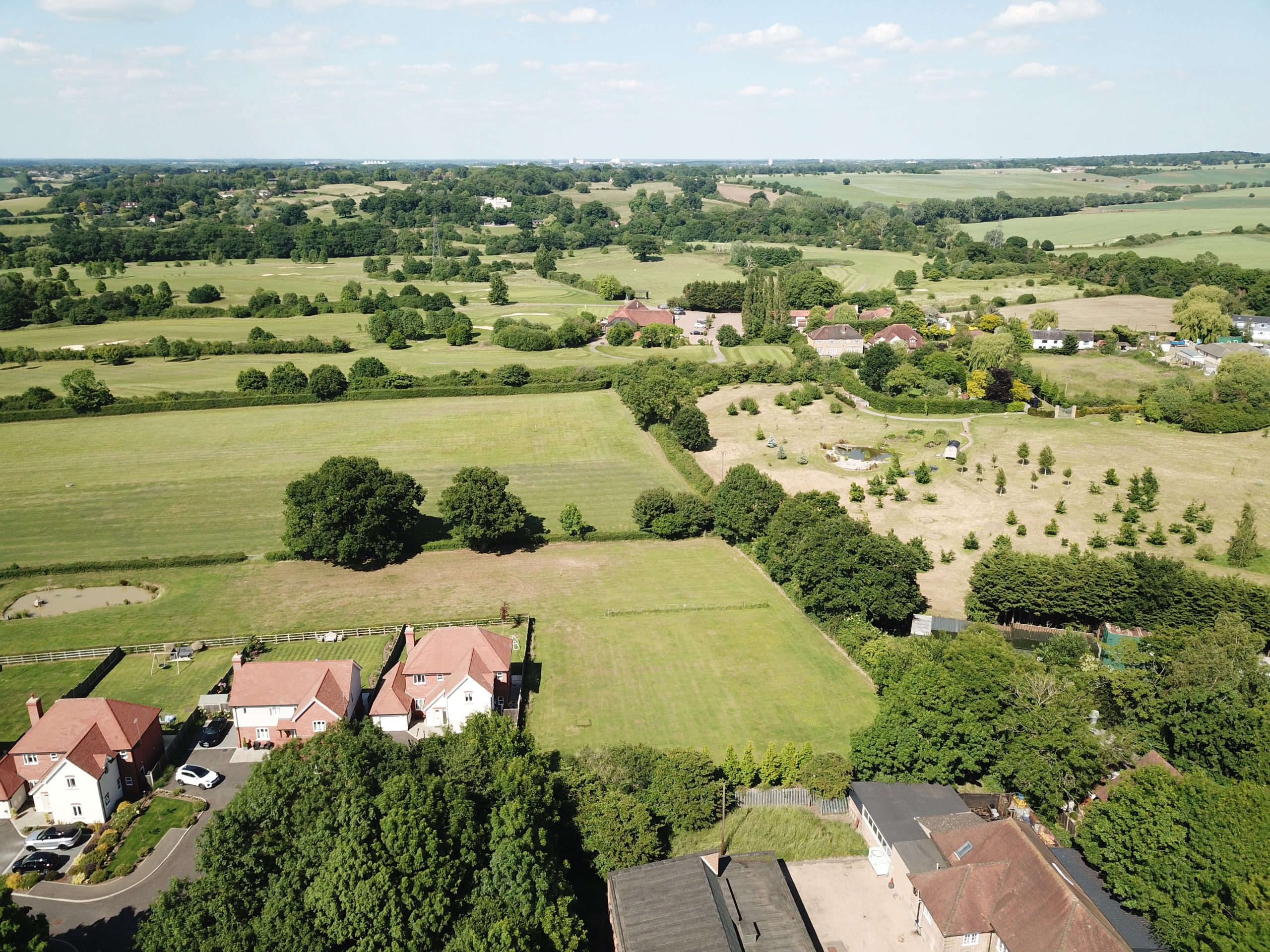
Green Belt land plays an important role in the planning system in England, helping to control how towns and cities expand and where new development