What will the new NPPF 2026 mean for development in Essex?
What will the new NPPF 2026 mean for development in Essex? You may have come across information concerning the new National Planning Policy Framework (NPPF)


Architects for extensions help homeowners design a house extension that adds extra space and suits modern living without turning a bright south-facing room into an overheated one. If you are planning an extension to your existing house, especially a south-facing kitchen, living space or extra bedroom, the key is to balance sunlight, glazing, shading, ventilation and materials from the outset so the project stays comfortable, energy efficient and practical all year.
The biggest mistake that homeowners make is to think that the more sunlight there is, the better it is.
Large areas of glazing, rooflights and bi-folding doors can give a property the bright and open atmosphere that so many people desire in an extension; however, if all of that glass is facing south it can also let a great deal of solar heat into the house, so glazing choices also need to suit the style of the existing house and support better flow between existing spaces and new internal spaces.
The important thing is to get the balance right from the start, by developing a practical concept and clear brief early in the process so the design can reach your home’s full potential.
Windows with their sides facing south are subjected to a great deal of sunlight during the day. In winter this is an advantage since it helps to supply warmth and natural light to your house.
However, in summer the same sunlight can lead to a rapid rise in temperature.
This is referred to as solar gain, which occurs when sunlight goes through your windows and warms the interior of your house. After the heat has got inside, it is hard to get rid of, especially in a room that has large areas of glazing and poor ventilation.
That is the reason why an extension facing south requires more than just attractive windows.
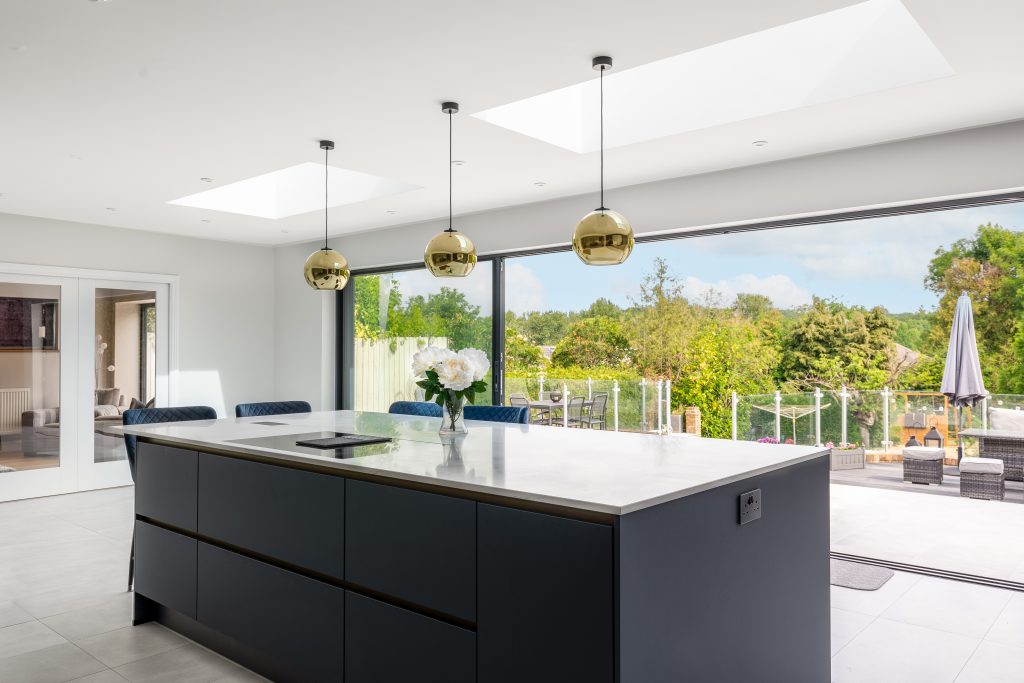
It’s easy to see why large windows and bi-folding doors are so popular since they make an extension seem larger, link the kitchen or living area with the garden and fill the room with natural light.
However, even a good thing may become excessive.
A south-facing wall made up of glass can cause too much heat and glare, which makes the room unpleasant to use. Rooflights can further increase the amount of sunlight.
It doesn’t follow that you should completely give up glazing; rather, when you’re designing something you should take into account the size, position and orientation of your windows.
Architects for extensions can guide clients through the planning process, including planning permission, permitted development, approval and building regulations. That matters because planning applications for extensions can be complex and stressful without the right expertise and knowledge.
An architect would be able to advise on methods available for reducing the risk of overheating when designing a building.
External shading can be very effective since it prevents the sun’s heat from reaching the glass.
It may involve overhangs, canopies, pergolas, external blinds or thoughtfully designed landscaping, and elements such as pergolas or timber shading features can enhance comfort and detail without compromising the overall architecture.
It’s not a matter of merely having a certain number of windows since the direction, dimensions and placement of the windows all have an effect.
An experienced architect is able to consider the way the sun moves across your property during the day and use this to guide the design, using planning drawings, detailed drawings and, where useful, 3D visualisations to help clients develop ideas and understand the concept early.
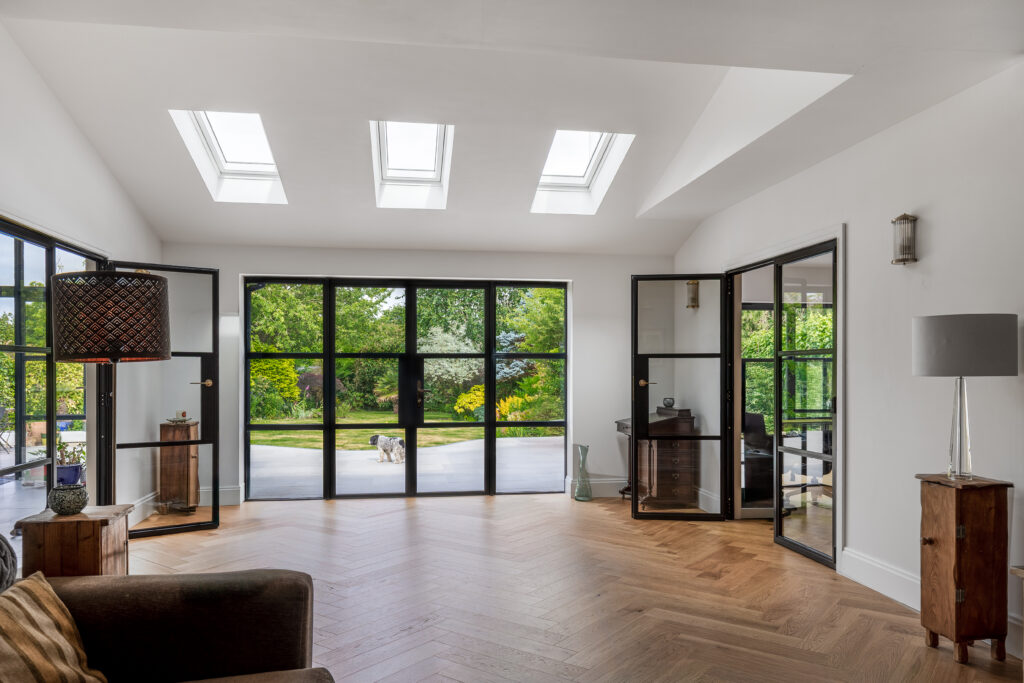
Good ventilation will aid in getting the warm air out and in introducing cooler air into the extension.
Opening windows on either side of a room can help to achieve cross-ventilation, and the placement and dimensions of the openings can make a great difference to the effectiveness with which the space can be ventilated, while also improving the natural flow through internal spaces and linking the extension more effectively with the existing house.
The way in which your extension is built and the materials used in it can also influence its reaction to heat.
The thermal performance of the building is influenced by the insulation, the glazing, the way the roof is constructed and the internal finishes. Materials should also be chosen to suit the existing structure and style, and in some renovation projects reusing parts of the existing structure can be a sustainable approach.
The good thing is that when you are designing with summer overheating in mind you don’t have to give up the advantages of a south-facing extension in the winter.
In fact, good design ought to function all during the year.
The goal is to take advantage of the sun’s warmth and natural light whenever this is beneficial, while at the same time avoiding excessive heat accumulation during hotter weather.
It is in this area that passive design can make a real difference.
Instead of using air conditioning to deal with the issue of excessive heat after the extension has been constructed, the design could include measures at the outset to keep the space comfortable without artificial means.
Clients often focus on room layout, bedroom count or doors to the garden, while the architect considers the wider project process, construction and performance.
However, there are other things taking place near your house which can greatly affect how comfortable that area will be.
All of these points can be taken into account when designing. Architects also work closely with the wider team, including a structural engineer, interior designers, builder and contractors, to deliver quality at each stage through to completion. That joined-up approach helps oversee even complex parts of the project responsibly.
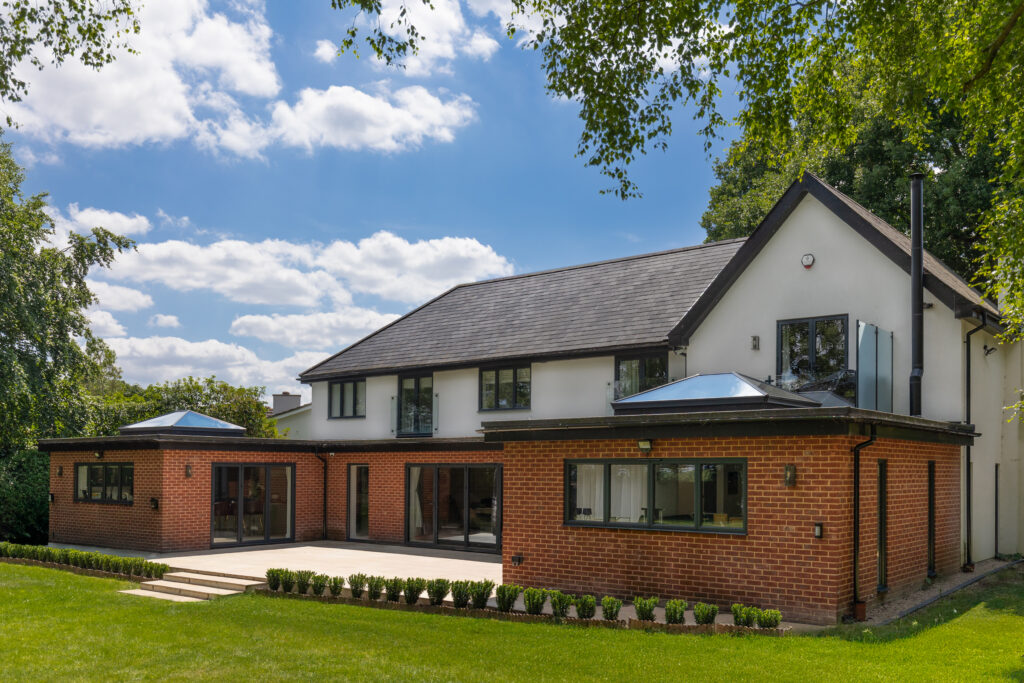
A south-facing extension can be a wonderful means of getting more light and warmth into the house, but it must be designed with both summer and winter in mind.
The major error isn’t having too many windows; it’s not taking into account the effect that those windows will have on the temperature of your home.
As climate change causes hotter periods to occur more frequently, it has become more important to design houses so that they remain comfortable in summer.
A well-designed house extension can maximise space, add significant usable floor area for a growing family or another life change, and create practical extra space for different needs. It can also be designed to complement existing architectural styles through careful material choices and thoughtful articulation of design elements.
At MP Chartered Architects, our services draw on expertise, extensive experience and technical knowledge to oversee your project from feasibility studies and planning drawings through construction and completion. We work closely with clients and provide clear communication and regular updates throughout the process. Fees, budget and scope should be transparent from the start, with a written agreement setting out exactly what is included. It is also worth reviewing references and completed project examples before appointing an architect.
Then, if you are planning to extend your home, instead of asking yourself “How much sunlight can I get?” Ask how this space will feel on the hottest day of the year.
The answer to that question might make all the difference. Architects are ARB regulated professionals who have completed at least 7 years of training.
What will the new NPPF 2026 mean for development in Essex? You may have come across information concerning the new National Planning Policy Framework (NPPF)
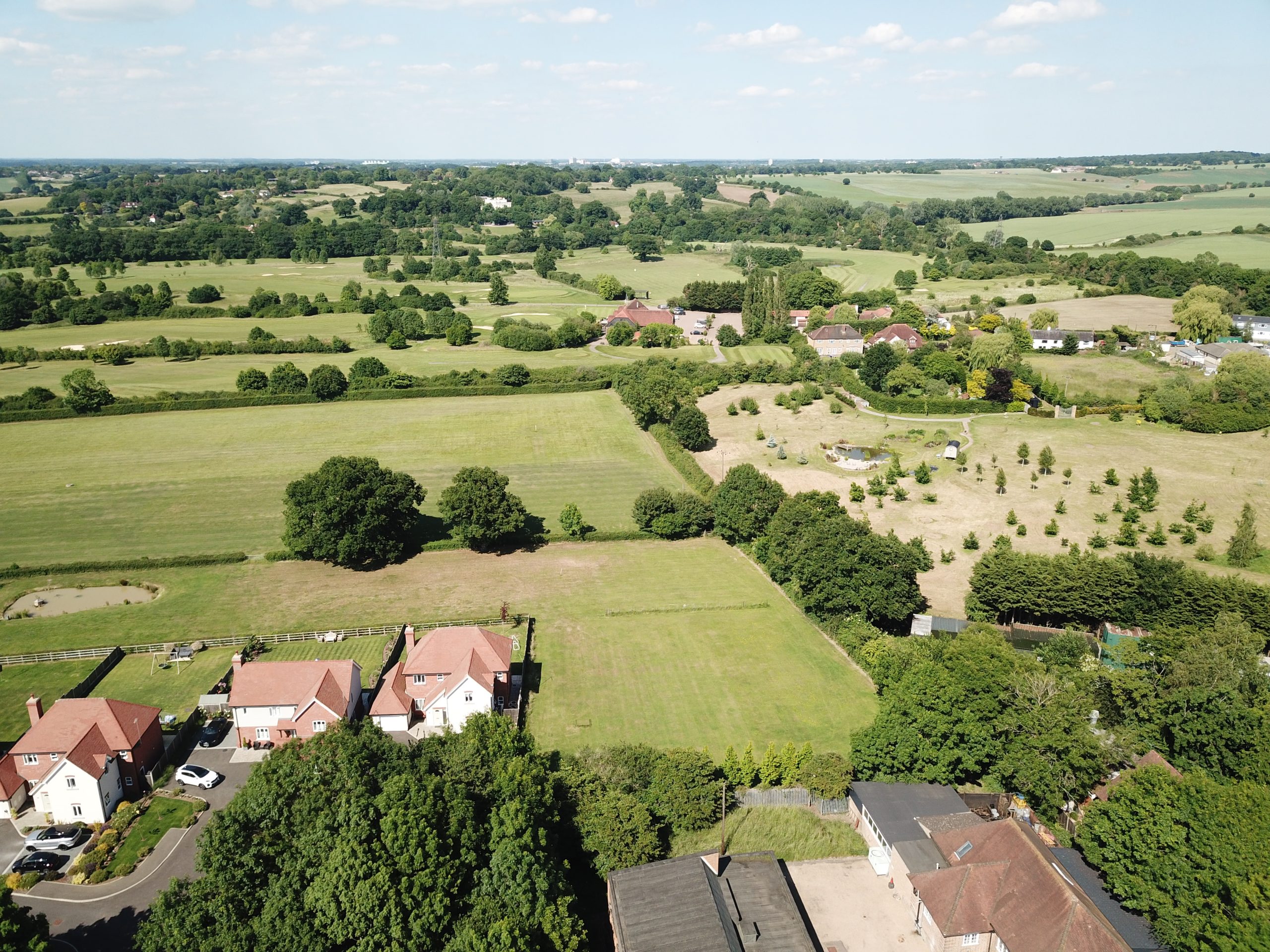
Green Belt land plays an important role in the planning system in England, helping to control how towns and cities expand and where new development
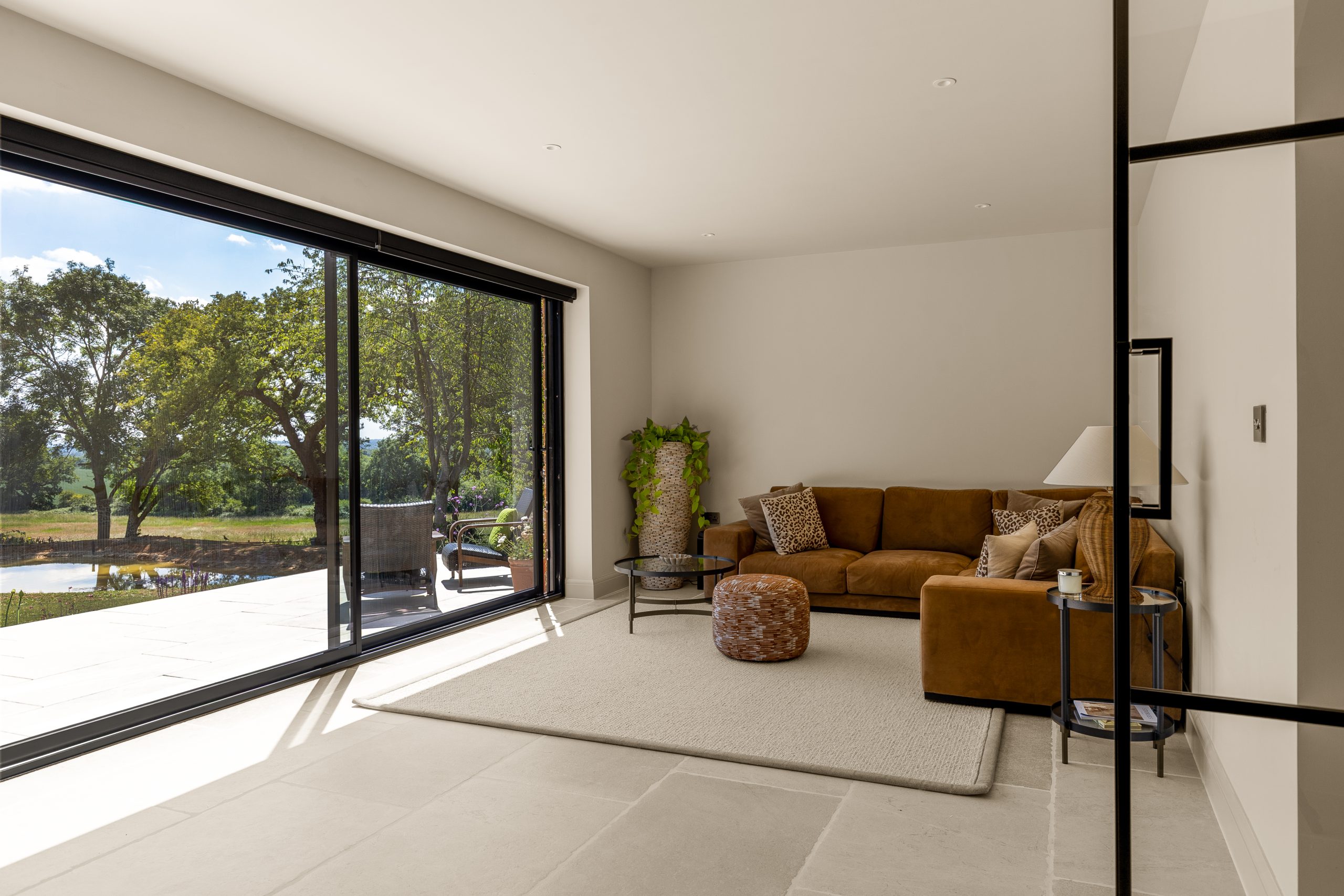
A well-designed single-storey extension can completely change how you use your home. Rather than simply adding another room, the right extension can improve the entire