What will the new NPPF 2026 mean for development in Essex?
What will the new NPPF 2026 mean for development in Essex? You may have come across information concerning the new National Planning Policy Framework (NPPF)

Green Belt land plays an important role in the planning system in England, helping to control how towns and cities expand and where new development can take place. However, owning land within the Green Belt does not necessarily mean that it can never be developed.
Many people ask what Green Belt land is, and whether or not you can build on it. The answer depends on the site, what is already there, what you want to build and how the proposal relates to national and local planning policy.
While Green Belt development is subject to strict planning controls, there are circumstances where extensions, replacement buildings, new homes and other forms of development may be acceptable.
Changes to national planning policy have also placed more emphasis on grey belt land, creating additional development opportunities on some sites that remain within the Green Belt.
This guide explains what Green Belt land is, why it is protected and what you need to consider before seeking planning permission.
Green Belt is a planning designation applied to land around specific towns and cities. Despite common misconception, land does not become Green Belt simply because it is green, rural or undeveloped.
A field in the countryside might be greenfield land without being Green Belt, while previously developed land containing existing buildings, hardstanding or other development can still sit within a Green Belt boundary.
The fundamental purpose of Green Belt policy is to prevent urban sprawl by keeping land permanently open. Green Belt boundaries are established through the planning system and shown within development plans.
Green Belt land can also be privately owned. A Green Belt designation therefore does not automatically give the public access to the land or prevent its owner from using it. Instead, the designation primarily affects how the land can be developed.
The National Planning Policy Framework (NPPF) identifies five Green Belt purposes:
These purposes explain why Green Belt policy directs more significant urban development towards more appropriate locations
The Green Belt is primarily a planning tool rather than an environmental designation. As urban areas grow, there can be increasing pressure to build on rural land around their edges. Green Belt boundaries help manage this growth and prevent unrestricted development spreading outwards from towns and cities.
One of the main and most important purposes is to prevent neighbouring towns from merging. Without careful control of development, settlements could gradually expand towards one another, eventually losing the open land that gives them their separate identities.
Green Belt policy also helps with preserving historic settings. Open land surrounding historic towns can form an important part of their setting and special character.
Another main objective is urban regeneration. By restricting some development outside existing urban centres, planning policy can encourage better use of brownfield sites, derelict land, underused buildings and other urban land.
However, Green Belt should not be confused with other forms of protected or designated land. A Green Belt designation does not necessarily mean that a particular piece of land has landscape or ecological value.
Some sites may separately fall within or affect National Parks, Sites of Special Scientific Interest, conservation areas and other protected areas. As an example, the New Forest National Park has its own planning and environmental protections that are distinct from Green Belt policy.
You can build on Green Belt land in certain circumstances. The idea that no development at all is allowed within the Green Belt is incorrect. The NPPF identifies a number of categories of development that are not considered inappropriate in the Green Belt, if the relevant conditions are met.
This can include agricultural and forestry buildings, the reuse or extension of existing buildings, limited infilling in villages, affordable housing and the redevelopment of previously developed land.
Other development can potentially be acceptable where its impact on the openness of the Green Belt is minimal and it does not create a significant conflict with Green Belt purposes.
There are also routes relating to grey belt land and, under the current NPPF, certain residential or mixed-use development within reasonable walking distance of a well-connected station.
That does not mean planning permission is automatic. A proposal still needs to be assessed against the development plan, national policy and site-specific considerations such as design, highways, flood risk, ecology, heritage and neighbouring properties.
One of the most important distinctions is between development that national policy considers inappropriate and development that falls within one of the recognised Green Belt exceptions.
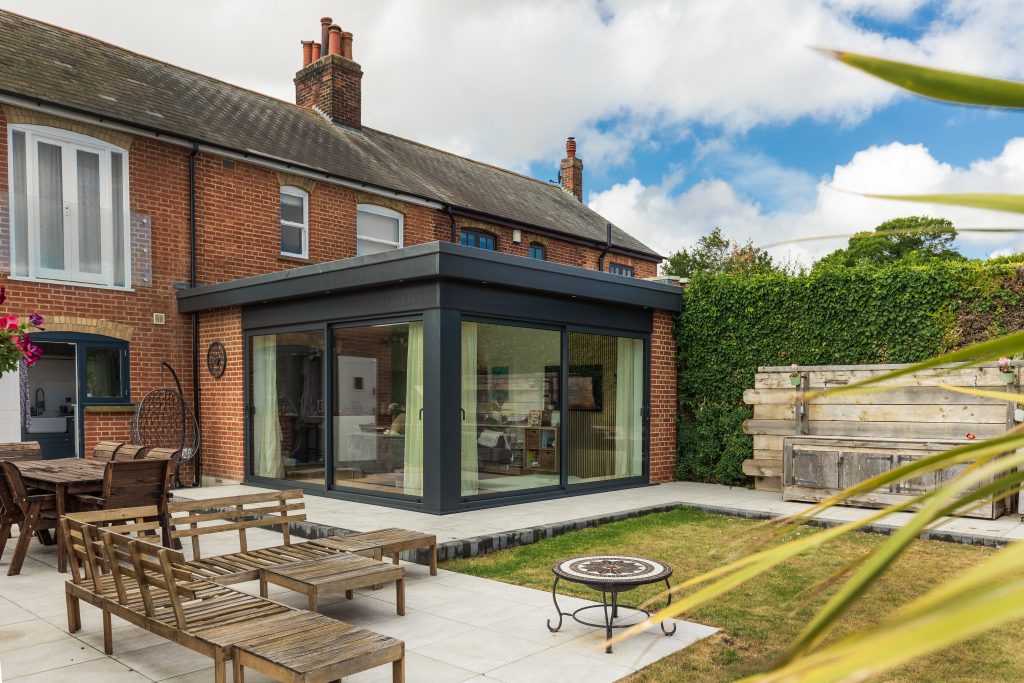
For homeowners, extensions and alterations to existing buildings can potentially be acceptable where the existing building is lawful, permanent and substantially constructed and the work would not result in a disproportionate increase in size compared with the original building.
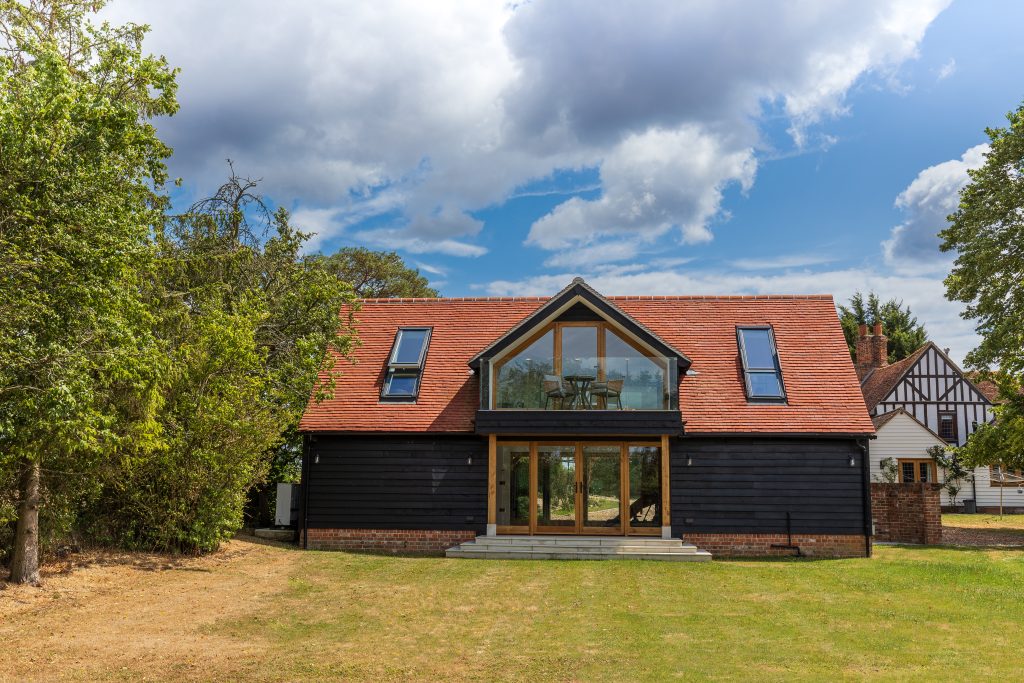
Replacement buildings can also be possible. Under current policy, a replacement should be for the same use and should not be larger than the building it is replacing.
This makes careful analysis of the existing property very important. The size, scale, volume, footprint and history of an existing building may all influence what can be proposed.
Some household projects may also benefit from permitted development rights, although being within the Green Belt does not mean every proposal will qualify. Other restrictions, planning conditions, Article 4 Directions and the planning history of the property may affect what can be achieved.
Building a completely new home on Green Belt land can be more difficult than just extending or replacing an existing property, but there are circumstances in which residential development can be possible.
This can be particularly relevant where a site contains existing buildings, redundant commercial premises or other lawful development. Current national policy allows for redevelopment of previously developed land, including a change of use to residential or mixed-use including residential, where this would not cause substantial harm to Green Belt openness.
The planning history and existing condition of the site therefore require careful consideration before assuming that a piece of Green Belt land has little development potential.
The grey belt definition has become particularly important for landowners and developers.
Under the current NPPF, grey belt refers to land within the Green Belt that is either previously developed or does not strongly contribute to three particular Green Belt purposes: checking unrestricted sprawl, preventing neighbouring towns from merging and preserving the setting and special character of historic towns.
Grey belt therefore remains part of the Green Belt. It is not the name given to land that has been removed from Green Belt designation.
The concept recognises that not every land area within a Green Belt boundary makes the same contribution to its core purposes. Some sites may already contain development or be influenced by surrounding urban areas to such an extent that their role within the wider Green Belt is reduced.
Although this is possible, the grey belt status is not an automatic route to planning permission. Current national policy provides a route under which development utilising grey belt land is not considered inappropriate where several requirements are satisfied.
Among other considerations, development must not fundamentally undermine the purposes of the remaining Green Belt across the plan area. There must also be an evidenced unmet need for the proposed type of development and the development must be in a sustainable location.
For major housing development, additional requirements known as the Golden Rules apply. These concern affordable housing, necessary improvements to local or national infrastructure and the provision or improvement of publicly accessible green space.
This means identifying grey belt can create development opportunities, but careful consideration of the wider planning context is still essential.
Brownfield land and Green Belt land are often treated as opposites; however, the two can overlap.
A site can be previously developed while also being situated within the Green Belt. This could include certain sites containing existing or former development.
National policy encourages the effective use of previously developed land. Within the Green Belt specifically, redevelopment of previously developed land can fall within the categories of development that are not inappropriate where it would not cause substantial harm to Green Belt policies.
This can make sites containing existing buildings or lawful previous development particularly interesting from a planning perspective.
However, simply having a shed, hardstanding or small structure on rural land does not necessarily transform the whole site into previously developed land. Establishing the planning status, lawful use and history of a site is an important part of determining its development potential.
Where a proposal amounts to inappropriate development in the Green Belt and does not benefit from one of the relevant policy exceptions, it should not normally be approved unless very special circumstances can be demonstrated.
This is deliberately a high threshold. These very special circumstances will not exist unless the potential harm to the Green Belt, along with any other harm arising from the development, is clearly outweighed by other considerations.
There is no universal argument that will automatically satisfy this requirement. The planning case needs to relate to the specific proposal and circumstances of the site. This is why Green Belt applications often require more careful consideration than comparable development within standard urban areas.
Green Belt boundaries are not necessarily permanent in the same location forever. Under the current NPPF, Green Belt boundaries should generally be altered through the preparation or updating of local plans and where exceptional circumstances are fully evidenced and justified.
When considering whether Green Belt boundaries need to change, local planning authorities must look at other reasonable options for meeting development needs. These include making as much use as possible of suitable previously developed and underutilised land, optimising development density and assessing whether sufficient suitable sites exist outside the Green Belt.
Where boundaries are altered to accommodate development, priority should be given to previously developed Green Belt land, followed by grey belt land that is not previously developed, and then other Green Belt locations, provided this creates a sustainable pattern of development.
This local plan process is more significant in areas facing growing demand for housing and where local authorities need to identify sufficient land to meet housing targets.

Being able to satisfy Green Belt policy is only one part of achieving planning permission. A proposed development may still need to address issues including access, highways, neighbouring amenity, trees, ecology, biodiversity, drainage, flood risk, heritage and design.
Other designated land can introduce additional controls. Sites affecting a National Park, a Site of Special Scientific Interest or important heritage assets.
The fact that development might constitute appropriate development in Green Belt terms therefore does not guarantee that the wider planning application will succeed.
The design itself is equally important. Its scale, siting, materials and relationship with existing buildings and open spaces can significantly influence the effect that new development has on its surroundings.
In these cases, the starting point should be understanding the land rather than designing the building. Before preparing detailed proposals, it is advised to establish the site’s planning history, Green Belt status, relevant local plan policies, existing lawful uses and any additional designations or constraints affecting the land.
For an existing property, understanding the size and form of the original building can be particularly important when considering extensions or replacement buildings.
For previously developed or potential grey belt land, the assessment may need to look beyond the boundaries of the individual site and consider how it contributes to the purposes and openness of the wider Green Belt.
A successful proposal should respond to these findings. Trying to fit an ambitious development onto a constrained site and then justify it afterwards can make achieving planning permission much harder.
Early architectural and planning advice can instead help identify what may represent appropriate development, where compromises may be necessary and whether there is a realistic planning route before substantial time and money are committed.
If you own a property or piece of Green Belt land and are considering extending, replacing or developing it, MP Chartered Architects can help you understand what may be achievable.
Our team has experience advising clients on projects affected by Green Belt policy and navigating the planning process with local authorities.
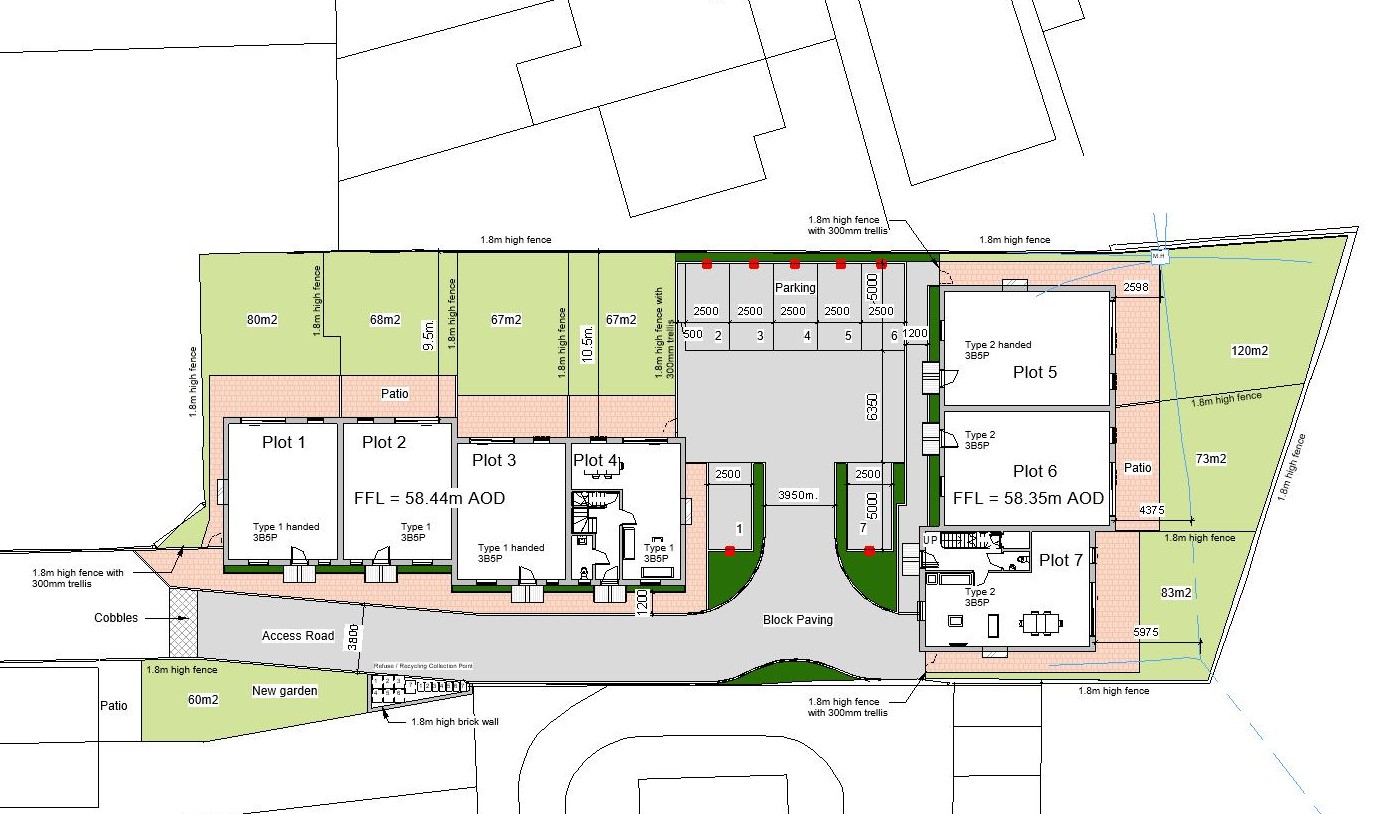
We have also successfully secured permission for challenging residential projects within the Essex Green Belt. From assessing a site’s development opportunities and preparing an appropriate design through to submitting the planning application and progressing the project towards construction contact MP Chartered Architects to discuss your plans and find out how we can help.
What will the new NPPF 2026 mean for development in Essex? You may have come across information concerning the new National Planning Policy Framework (NPPF)

Architects for extensions help homeowners design a house extension that adds extra space and suits modern living without turning a bright south-facing room into an
A well-designed single-storey extension can completely change how you use your home. Rather than simply adding another room, the right extension can improve the entire