What will the new NPPF 2026 mean for development in Essex?
What will the new NPPF 2026 mean for development in Essex? You may have come across information concerning the new National Planning Policy Framework (NPPF)


A well-designed rear extension can completely transform how your home looks, feels, and functions. A new extension can offer many opportunities for your house. Whether you are dreaming of a spacious open plan kitchen, functional utility room, a light filled dining room, or a more practical layout for a growing family, extending at the rear is one of the most effective ways to improve your internal space without moving.
Across the UK, rear extensions have become increasingly popular as homeowners look to adapt their homes to suit their lifestyles. But while the idea may seem straightforward, delivering a successful house extension project requires careful planning, thoughtful design, and a clear understanding of regulations.
In this guide, we explore a wide range of rear extension ideas, while also explaining everything you need to know before starting your project.
For many homeowners, the main reason behind a rear extension is to create additional living space. However, the real value lies in how that space is designed and integrated into the existing building and home.
Traditional layouts, particularly in older properties, often consist of smaller, disconnected rooms. A rear extension provides the opportunity to open up the back of the house, creating an open plan environment that better suits everyday living. Kitchens can become the feature of the home, dining rooms can feel more connected to the rear garden and can also produce more natural light.
Aside from the lifestyle benefits and extra space, a well-designed rear extension can significantly increase property value. It is often seen as one of the most desirable home improvements, particularly when it enhances both functionality and overall appeal of the house.
The most successful rear extensions are those that positively contribute to how you actually live in your home. Rather than simply adding square footage, the focus should be on improving flow, adding natural light, and usability.
One of the most popular rear extension ideas is to create a large open plan kitchen and dining area. By removing internal walls and extending outward, you can form a continuous space that feels both spacious and well connected to the rest of your downstairs living area.
Utilising features such as kitchen islands, sliding doors, bi fold doors, large windows and roof lights or a glass roof can enhance both functionality and let in more natural light. This type of layout works particularly well for families and those who enjoy hosting.
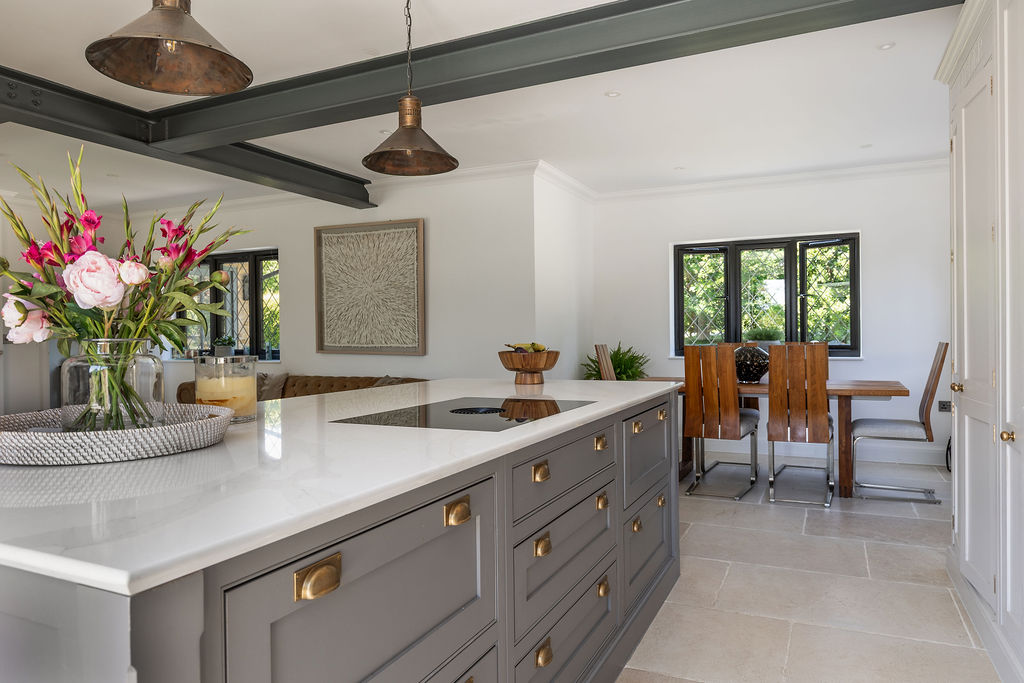
For those looking to create an architectural statement, glass extensions offer a contemporary solution. Large glazed panels, slim frames, and roof glazing can combine the boundary between indoors and outdoors, bringing the garden into open plan living.
This approach is particularly effective in smaller homes, where maximising light can make the entire ground floor feel larger and more open.
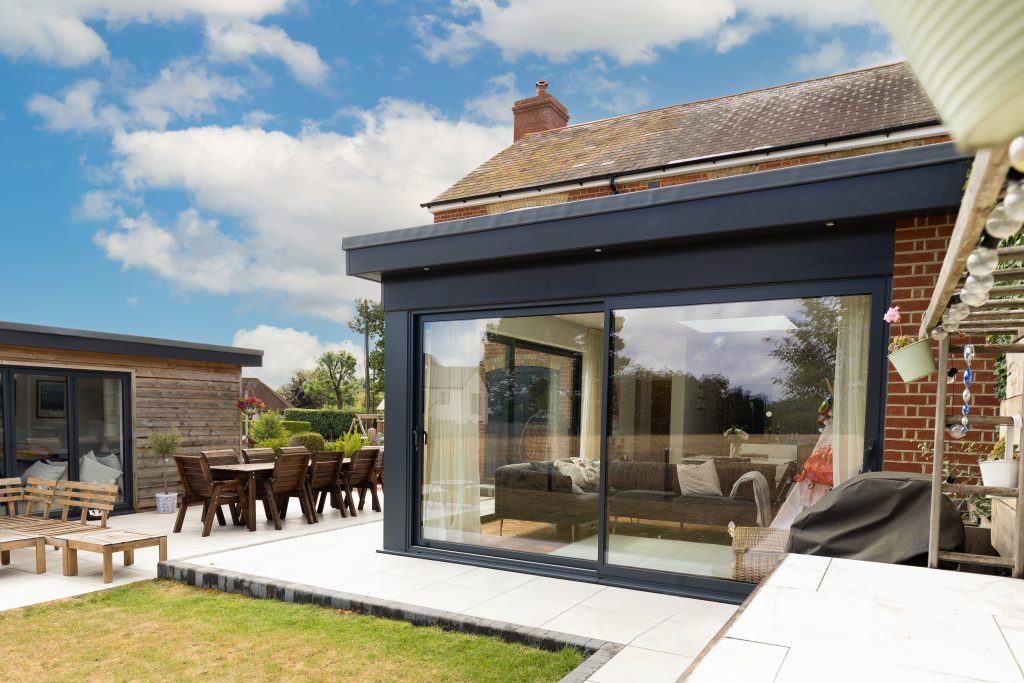
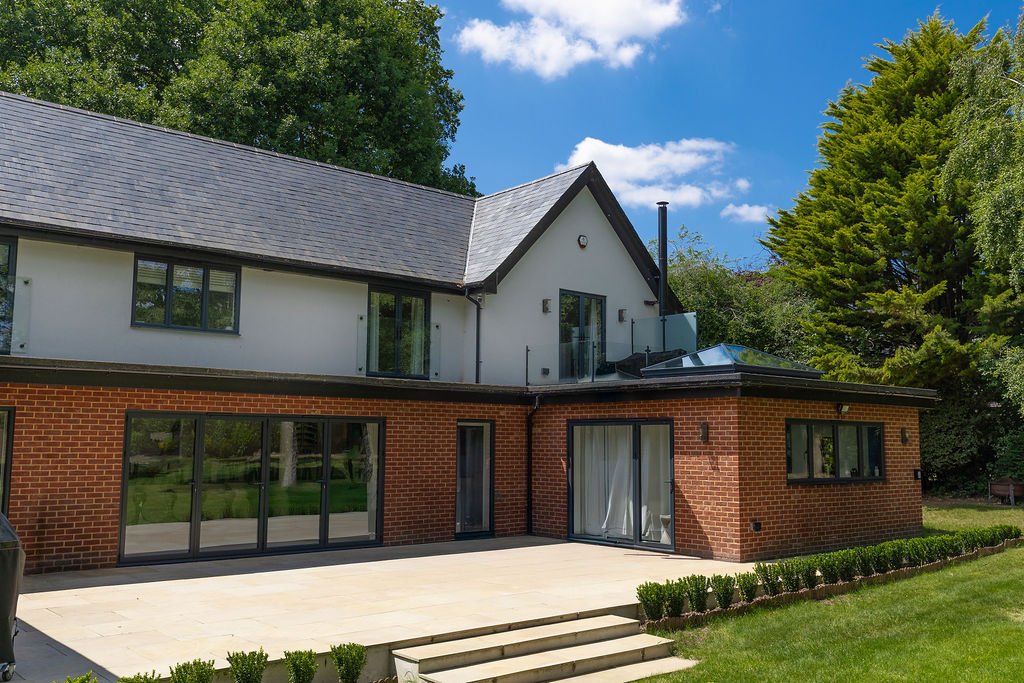
A wraparound extension combines a rear extension with a side return extension, creating an L-shaped layout that significantly increases floor space. This is a popular option for an Edwardian or a Victorian terraced house, where narrow side returns are often not a functional use of space.
The additional width allows for more flexible layouts, including a larger kitchen and dining area, separate sections within open plan layouts, and improved circulation throughout the home.
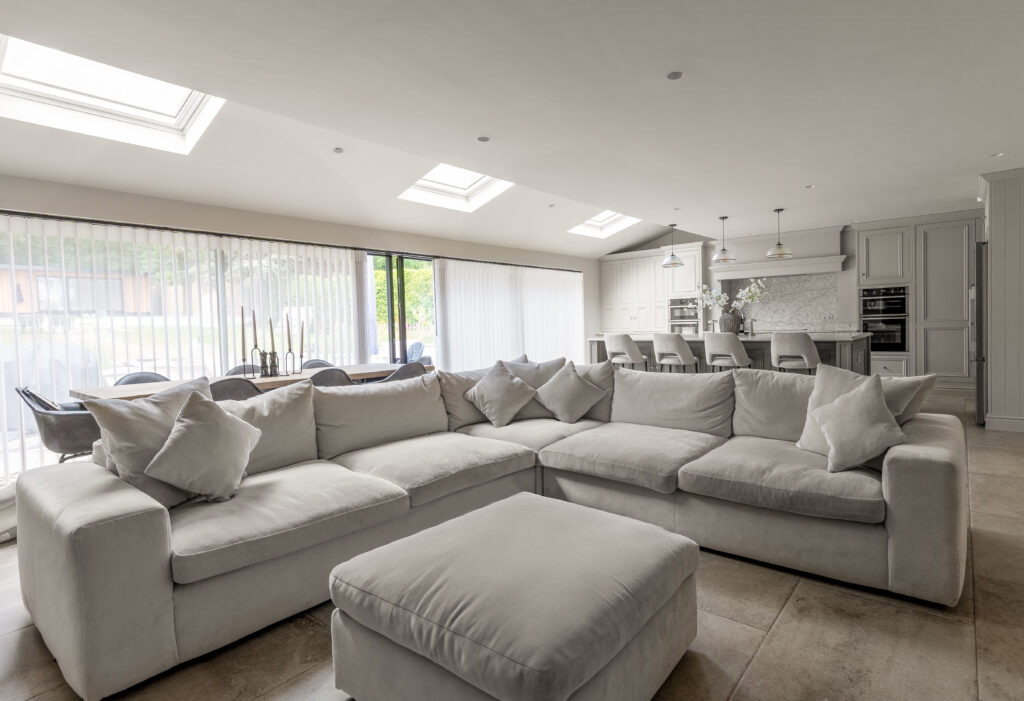
Introducing roof lights or lanterns is one of the most effective ways to transform a single storey rear extension. These features bring daylight deep into the space, particularly in properties where light from the rear garden alone may be limited. Bi-fold doors work really well with particular extension type as opening these up to the back garden not only allows for additional natural light, it also allows fresh air to circulate the space.
This rear extension type also creates a sense of height and openness, making the extension feel more generous and inviting.
One of the most frequently asked questions when it comes to rear extensions is whether planning permission is required. In many cases, single storey rear extensions can be built under permitted development rights, which means formal planning permission may not be required.
However, this does depend on specific criteria. The extension must not exceed certain depth limits typically up to three metres for terraced or semi-detached properties, and up to four metres for detached properties. Larger extensions may still be possible under the prior approval scheme, which allows greater depth if this is agreed by your neighbours.
The height of the extension is also restricted, particularly near boundaries, and materials should be in keeping with the original property. It’s important to note that these permitted development rights do not apply to flats, listed buildings, some older buildings or homes in certain designated areas.
If your building is listed, listed building consent may be required for your project.
Because planning rules can be complex, seeking advice from a planning permission architect early on can help ensure your project proceeds smoothly and avoids unnecessary delays.
Regardless of whether planning permission is required, all rear extensions must comply with building regulations. These ensure that the structure is safe, energy efficient, and fit for purpose.
Key considerations include structural stability, particularly when removing internal walls to create open plan layouts. Steel beams are often required to support the existing structure, and foundations must be designed to suit ground conditions.
Thermal performance is another really important factor. Modern extensions must meet strict insulation standards, which influence wall construction, glazing specifications, and roof design. Ventilation, drainage, and electrical systems must also be carefully planned.
Working with experienced professionals ensures that these technical requirements such as feasibility studies and technical drawings are addressed from the beginning, reducing the risk of issues once construction has started.
The cost of a rear extension can vary depending on size, design complexity, and location. As a general guide, a basic single storey rear extension may start from around £30,000 to £50,000, while larger or more bespoke designs can exceed £70,000 or more plus VAT, plus kitchens and bathrooms.
Factors such as high-quality glazing, bespoke joinery, and premium finishes can significantly influence the overall budget required. Structural work, including steel beams and foundation requirements, can also impact the final cost.
In addition to construction, you should allow for professional fees, including architectural design, structural engineering, and any planning-related costs. While it’s important to set a realistic budget, investing in good design often leads to better long-term value.
A rear extension project is typically done over several stages, each requiring careful coordination and planning. The design and planning phase can take anywhere from a few weeks to several months, depending on the complexity of the project and whether planning permission is required.
Once approvals are in place, construction of a single storey rear extension usually takes between 10 and 16 weeks. However, this can vary depending on factors such as weather, site conditions, and the scale of the build.
Allowing sufficient time for each stage and avoiding rushed decisions can help ensure a smoother and more successful outcome, particularly when supported by a dedicated project management architect overseeing the process.
The success of your rear extension is heavily influenced by the team you choose to work with. An experienced architect company will not only develop creative rear extension ideas but also ensure that the design is practical, compliant, and tailored to your specific home.
Equally, selecting a reliable builder with a proven track record is essential for delivering the project to a high standard. Clear communication, detailed drawings, and a well-defined scope of work all contribute to a smoother construction process.
Taking the time to choose the right professionals at the outset can save significant time, money, and stress later on. We have a list of builders we can recommend to our clients
Rear extensions offer an incredible opportunity to transform your home and create a space that truly reflects how you live. With the right design approach, they can improve layout, increase natural light, and add lasting value to your property.
By exploring different rear extension ideas, understanding planning and building regulations, and working with experienced professionals, you can approach your project with confidence.
A successful rear extension is not just about adding space, it is about improving your lifestyle and how you live in your home.
MP Chartered Architects is a UK-based RIBA chartered architecture practice with extensive experience in designing high-quality rear extensions tailored to modern living.
Every project is approached with a focus on both creativity and practicality, ensuring that your extension enhances the way your home functions while also adding architectural value. From initial design concepts, through to planning applications and detailed construction drawings, the team provides support at every stage.
If you’re considering a rear extension and want to explore the best ideas for your home, getting expert guidance early on can make all the difference. To discuss your project or take the next step, feel free to get in touch with MP Chartered Architects today.
What will the new NPPF 2026 mean for development in Essex? You may have come across information concerning the new National Planning Policy Framework (NPPF)

Architects for extensions help homeowners design a house extension that adds extra space and suits modern living without turning a bright south-facing room into an
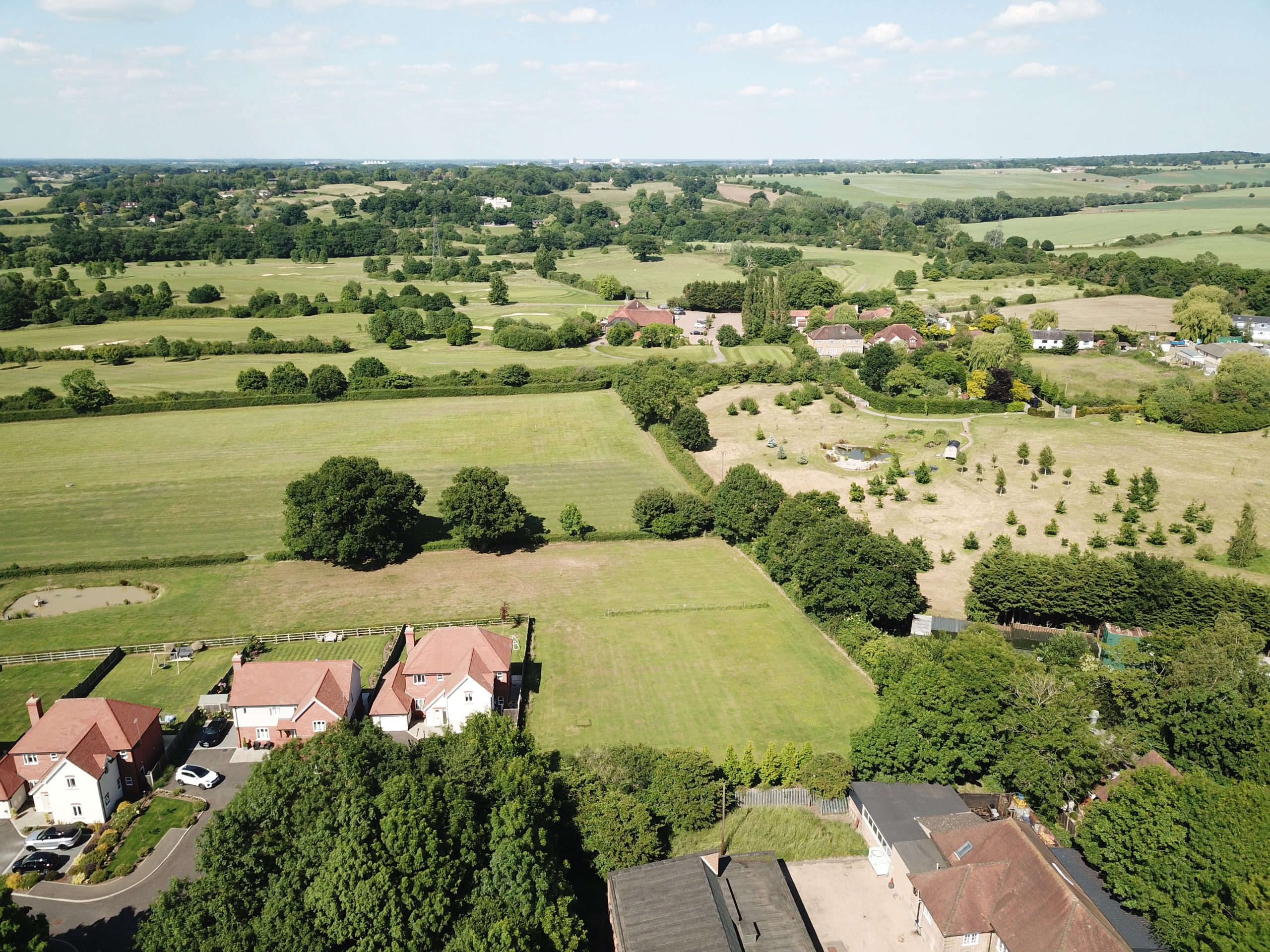
Green Belt land plays an important role in the planning system in England, helping to control how towns and cities expand and where new development