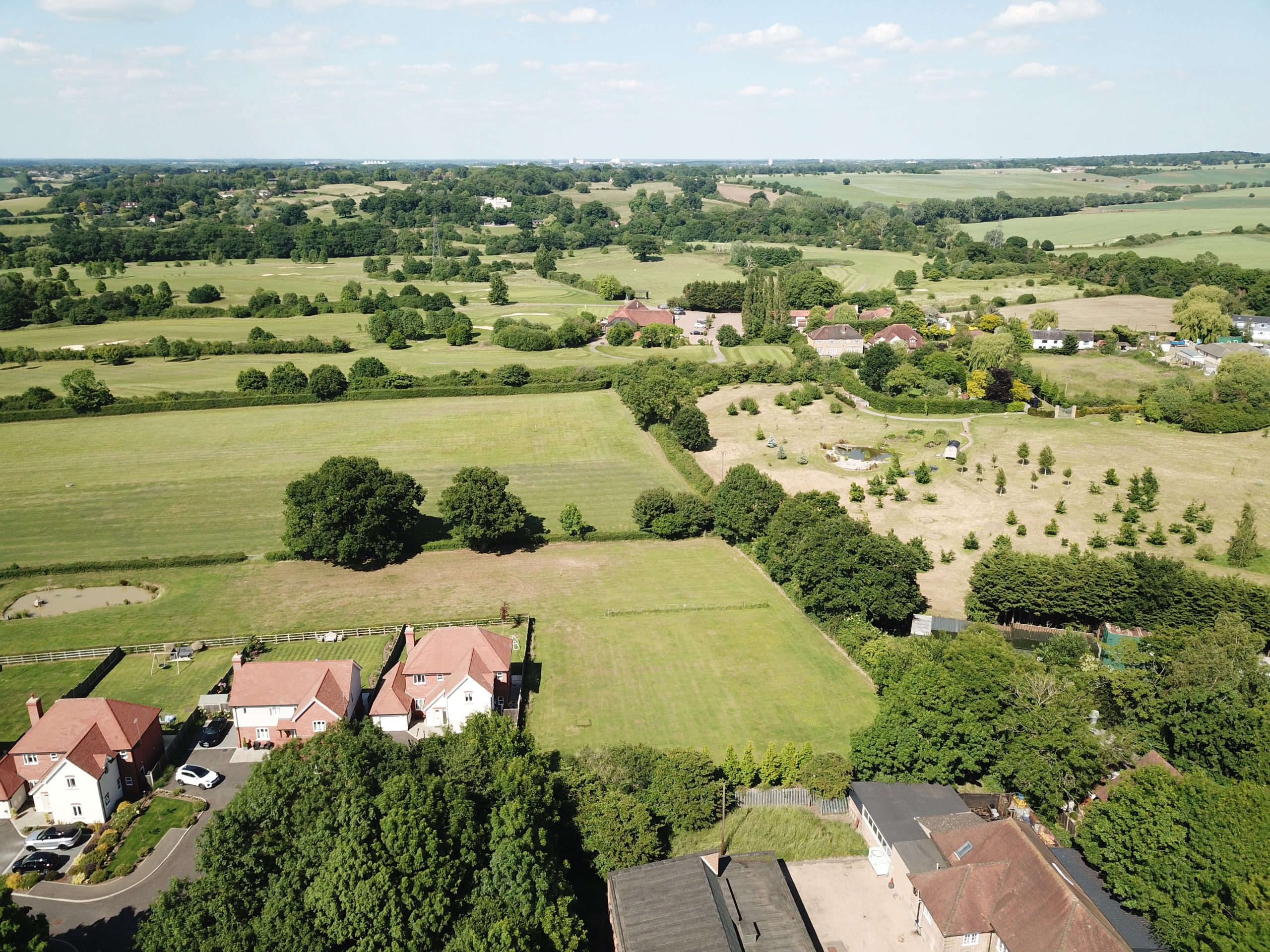
What will the new NPPF 2026 mean for development in Essex?
What will the new NPPF 2026 mean for development in Essex? You may have come across information concerning the new National Planning Policy Framework (NPPF)


A loft conversion is one of the most effective ways to maximise space without interfering with outdoor space or going through the stresses that come with moving. Across the UK, homeowners are constantly looking at where they can utilise space in their existing homes. Whether you want an additional room, a quiet work space, a home gym, a games room or just a versatile top floor, the right loft conversion design can completely transform how you live in your home.
It is not as simple as looking at inspiration in places like Pinterest. It involves understanding your property’s suitability, choosing the right type of conversion for your needs, and carefully balancing design, regulations, as well as keeping within a budget. This article will give you an insight on everything you need to know and consider to create a practical loft conversion for your home and needs.
Before exploring design possibilities, it’s essential to establish whether your loft can actually be converted. A residential architect can help with this so you don’t run into problems with planning permission. Many homeowners assume all lofts are suitable, but the reality is that certain structural elements can effect both feasibility and cost.
The most important factor to consider is head height. In most cases, you will need a minimum height of around 2.2 metres from the top of the ceiling joists to the underside of the ridge beam. If your loft does not meet these height requirements it doesn’t necessarily rule out a conversion, but it may require structural alterations such as lowering ceilings below or raising the roof. Both of these can make the job more complex and effect the overall cost.
The type of roof structure also plays a significant role. Older properties, typically built before the 1960s, often feature traditional cut roofs, which are easier to convert because they have more open space between rafters.
Roof pitch and overall footprint will also determine how usable the space is. A steeper roof pitch generally allows for more comfortable standing space, while wider properties offer greater flexibility in layout. Obstructions such as water tanks or chimney stacks can also affect your design, although these can often be relocated if needed.
Choosing the right type of loft conversion is one of the most important decisions you’ll make, as it directly impacts the amount of space you gain, the cost of the project, and whether planning permission is required.
A roof light conversion is the simplest approach, involving minimal structural changes. Instead of altering the shape of the roof, are installed directly into the existing sloping roof to bring in as much natural light as possible. This type of conversion works best where there is already sufficient head height.
Because the structure requires minimal changes, roof light conversions are usually the most cost-effective option and are often carried out under permitted development rights. However, the design is constrained by the existing roof shape, which means you will need to be clever with layout and utilise built in storage to make the most of the often more compact space.
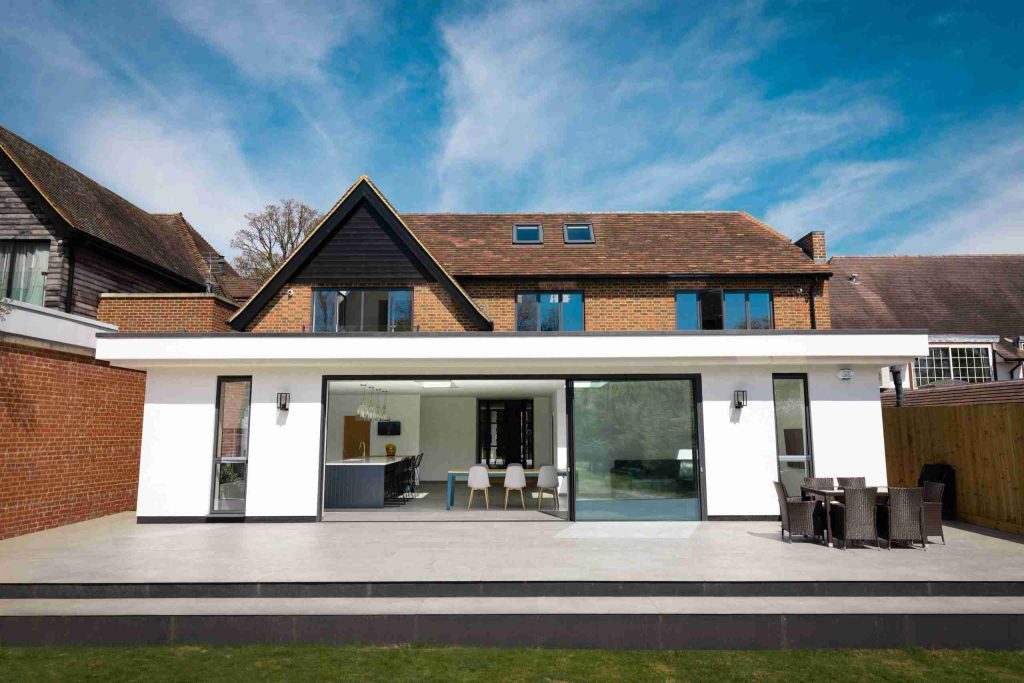
Dormer conversions are one of the most popular choices in the UK because they balance both cost and usability. By extending vertically from the existing roof slope, a dormer creates additional headroom and floor space, making a more valuable space.
This added attic space opens up more possibilities for a loft conversion project, from a spacious extra bedroom to well-proportioned bathrooms. In many cases, dormer loft conversions can be built under permitted development, although this depends on factors such as size and location.
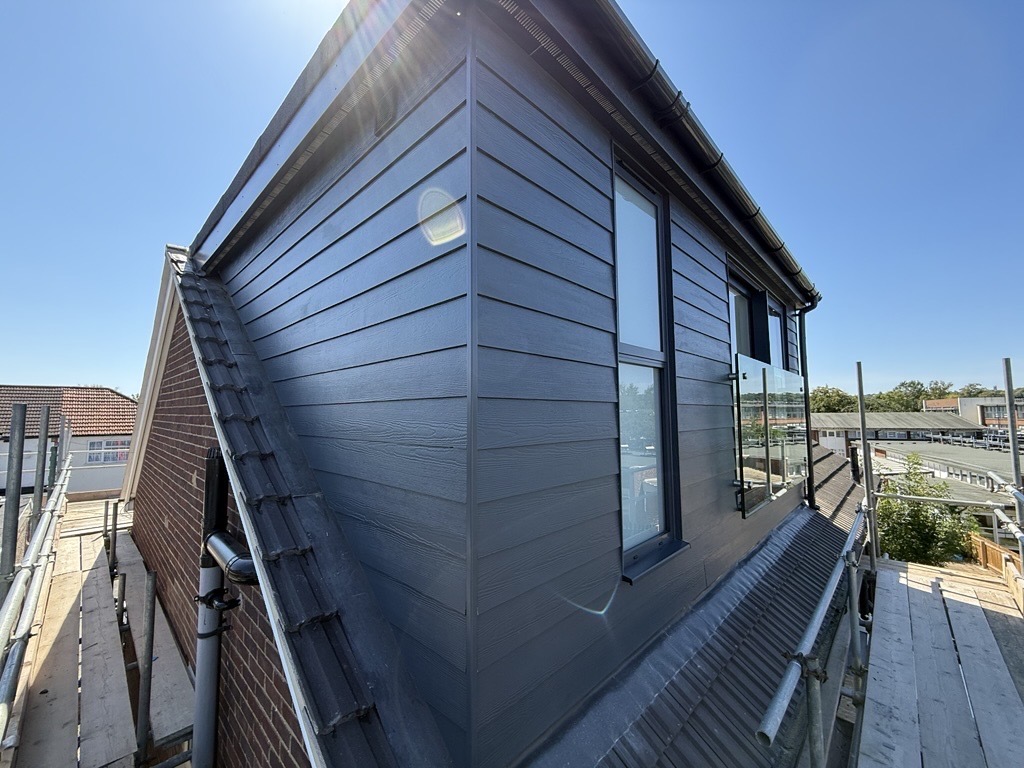
For homes with a hipped roof, which is a feature commonly found on semi-detached or end-of-terrace properties, a hip-to-gable conversion can dramatically increase the dedicated space. This involves extending the sloping roof to form a vertical gable wall, which will widen the overall loft space.
This popular loft conversion idea can lead to a more functional open plan space. Although this loft conversion type is more structurally involved, it offers better long-term value by allowing a larger, more inviting space with more interior design potential than some of the simpler options.
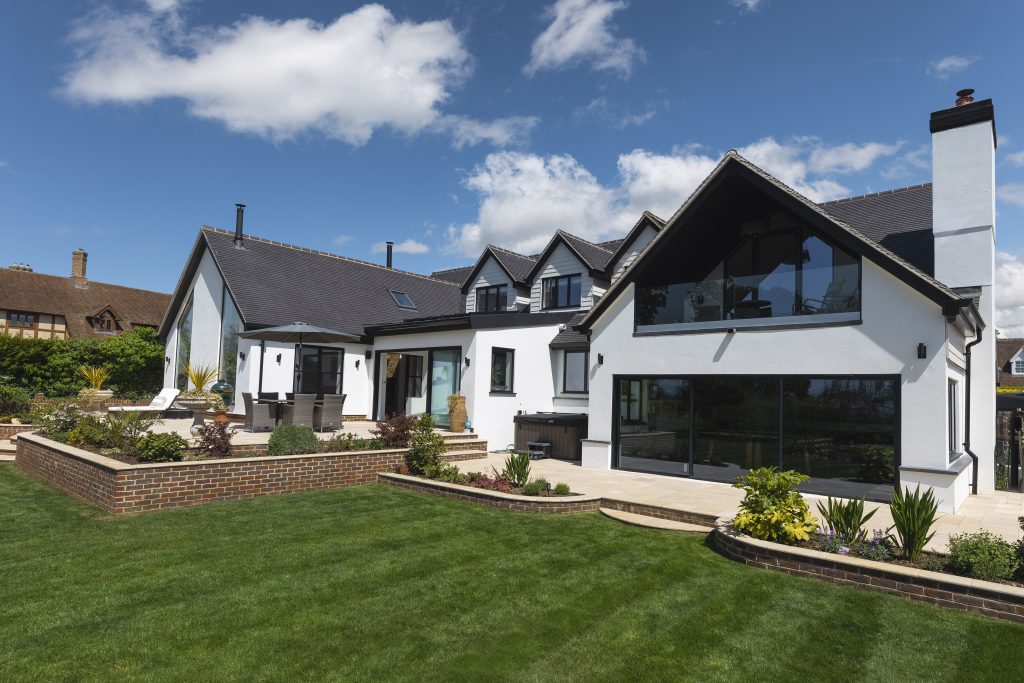
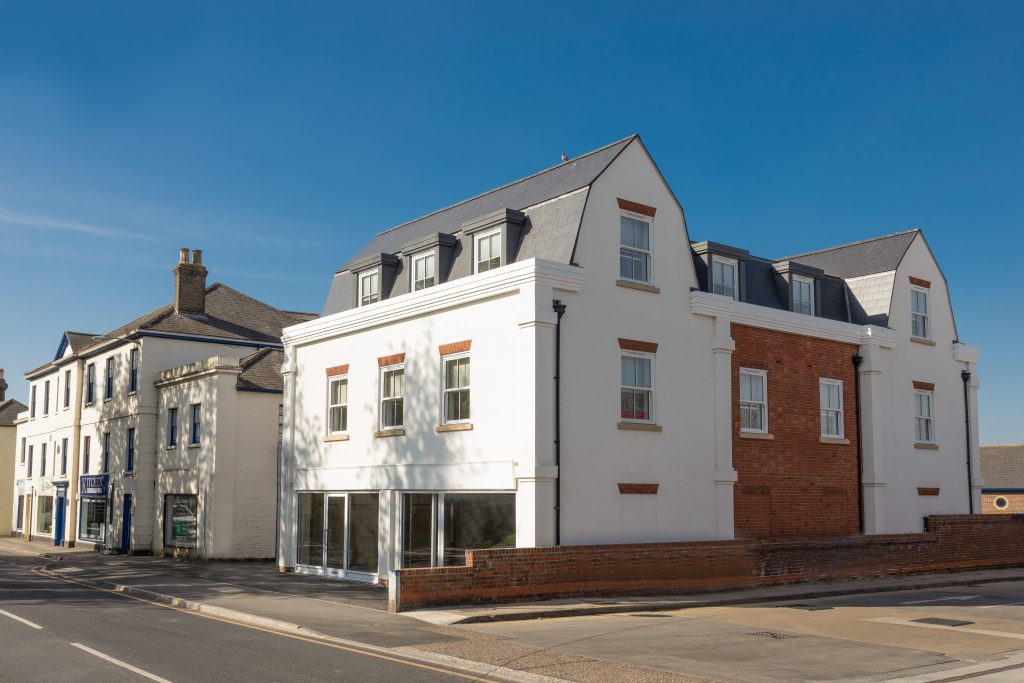
Mansard loft conversions are the most extensive type of loft transformations. With this type a loft conversion specialist would rebuild one side of the roof to create a vertical wall as well as a flat roof. This structure can effectively add an additional storey to your property.
This approach is particularly common in built up areas such as London, where maximising internal space is a priority. This particular type of conversion offers the most flexibility with the extra space available. If you are looking for a full size spare bedroom, or enough space for both a bedroom and a bathroom, this is likely the best option to transform your loft.
With this in mind, mansard loft conversions almost always require planning permission and involve higher costs due to the scale of work involved.
Once the structural element has been decided, the next part of converting your loft is to settle on the functionality and design of the space. You want the additional room to feel like an extension to your house, not just a random attempt to make more space.
Natural light is a very important factor to consider with your loft conversion design. There are various different ways you can allow natural light to flood in. These include features such as dormer windows, roof lights and Juliet balconies. These can make the room feel bright and welcoming. Window positioning can also help frame any views and helps the conversion connect with the outdoor space.
Equally important is the placement of the staircase. This is often one of the trickiest aspects of loft design, as it needs to integrate seamlessly with the existing layout while complying with building regulations. The most efficient solution is usually to align the new staircase above the existing one, minimising disruption to the floor below.
Storage is another key consideration, particularly in areas with reduced head room. Rather than viewing awkward angles and corners as a limitation, they can be transformed into bespoke storage solutions, such as built-in, walk-in wardrobes, window seats, or even a reading nook. Under-eaves cupboards can maximise every inch of available space while maintaining a clean and uncluttered aesthetic.
Many homeowners also choose to include an en-suite bathroom, especially when creating a master bedroom. While this adds complexity in terms of plumbing and drainage, it significantly enhances both convenience and property value. Careful planning is required to ensure efficient pipe runs and that there is the correct ventilation.
Finally, insulation and ventilation should never be overlooked. A loft conversion must meet modern energy efficiency standards, which means high-quality insulation is essential. At the same time, proper ventilation is needed to prevent condensation and maintain a comfortable indoor environment throughout the year.
One of the advantages of loft conversions in the UK is that many projects can be carried out under permitted development rights, meaning formal planning permission is not always required. However, this depends on strict criteria relating to volume limits, roof alterations, and the overall appearance of the property.
There are important exceptions to be aware of. Homes in conservation areas, listed buildings, and flats do not benefit from permitted development rights, meaning planning permission will be required.
Given the complexity of planning rules, it is always advised to speak to a for guidance early in the process to avoid delays or costly revisions.
Even if your project falls under permitted development, building regulations approval is mandatory. These regulations ensure that your loft conversion is safe, structurally sound, and energy efficient.
Key areas include structural stability, fire safety, and safe access via a compliant staircase. Fire regulations are particularly important, often requiring fire doors, smoke alarms, and protected escape routes. Insulation standards must also be met to ensure the space is comfortable and energy efficient.
A building control officer will inspect the project at various stages, so it’s important that all work is properly planned and executed from the very start of the project.
In addition to construction costs, you should also budget for professional fees, including architectural design, structural engineering, and any planning applications. Interior finishes, such as bathrooms and bespoke joinery, can also have a notable impact on the final cost.
While it can be tempting to focus purely on budget, it’s important to consider long-term value. A well-designed loft conversion not only improves your quality of life but can also significantly increase your property’s market value.
Many of the challenges associated with loft conversions come from poor planning rather than technical limitations. One of the most common mistakes is failing to assess feasibility early on, which can lead to unrealistic expectations and costly redesigns being required.
Another frequent issue is underestimating the importance of interior design. Simply adding the extra space is not enough the layout, light and flow of the room all contribute to how successful the conversion feels. You also need to consider soft furnishings that can add character as well as give a cosy feel to the space.
Over budgeting is key, as unexpected costs can sometimes arise if there are structural complexities.
A loft conversion is a significant investment, and the difference between an average result and an exceptional one often comes down to design expertise. Working with the best architects firm ensures that every aspect of the project is carefully considered.
A new loft conversion can offer an incredible opportunity to transform wasted loft space into something valuable. With the right approach, they can enhance both your house and your lifestyle, providing a flexible, private space.
By understanding the different types of loft conversions, exploring different design ideas, and navigating planning and building regulations with confidence, you can set your project up for success from the very beginning.
If you’re considering converting your loft, communicating with a t will help you enhance your homes original features and maximise space without making costly mistakes.
MP Chartered Architects is a UK-based RIBA chartered architecture practice with a strong focus on delivering high-quality residential design. With extensive experience in loft conversions, extensions, and home renovations, the practice combines creative design thinking with a clear understanding of planning and building regulations.
Every project is approached with a bespoke strategy, ensuring that your loft conversion not only maximises space but also enhances the overall flow, character, and value of your home. From initial assessments and concept design through to planning applications and technical detailing, MP Chartered Architects provides guidance at every stage of the process.
If you’re considering a loft conversion or exploring ways to improve your home and maximise space, working with experienced house conversion architects can make all the difference. To discuss your loft conversion project feel free to get in touch with our team today.
What will the new NPPF 2026 mean for development in Essex? You may have come across information concerning the new National Planning Policy Framework (NPPF)

Architects for extensions help homeowners design a house extension that adds extra space and suits modern living without turning a bright south-facing room into an
Green Belt land plays an important role in the planning system in England, helping to control how towns and cities expand and where new development